



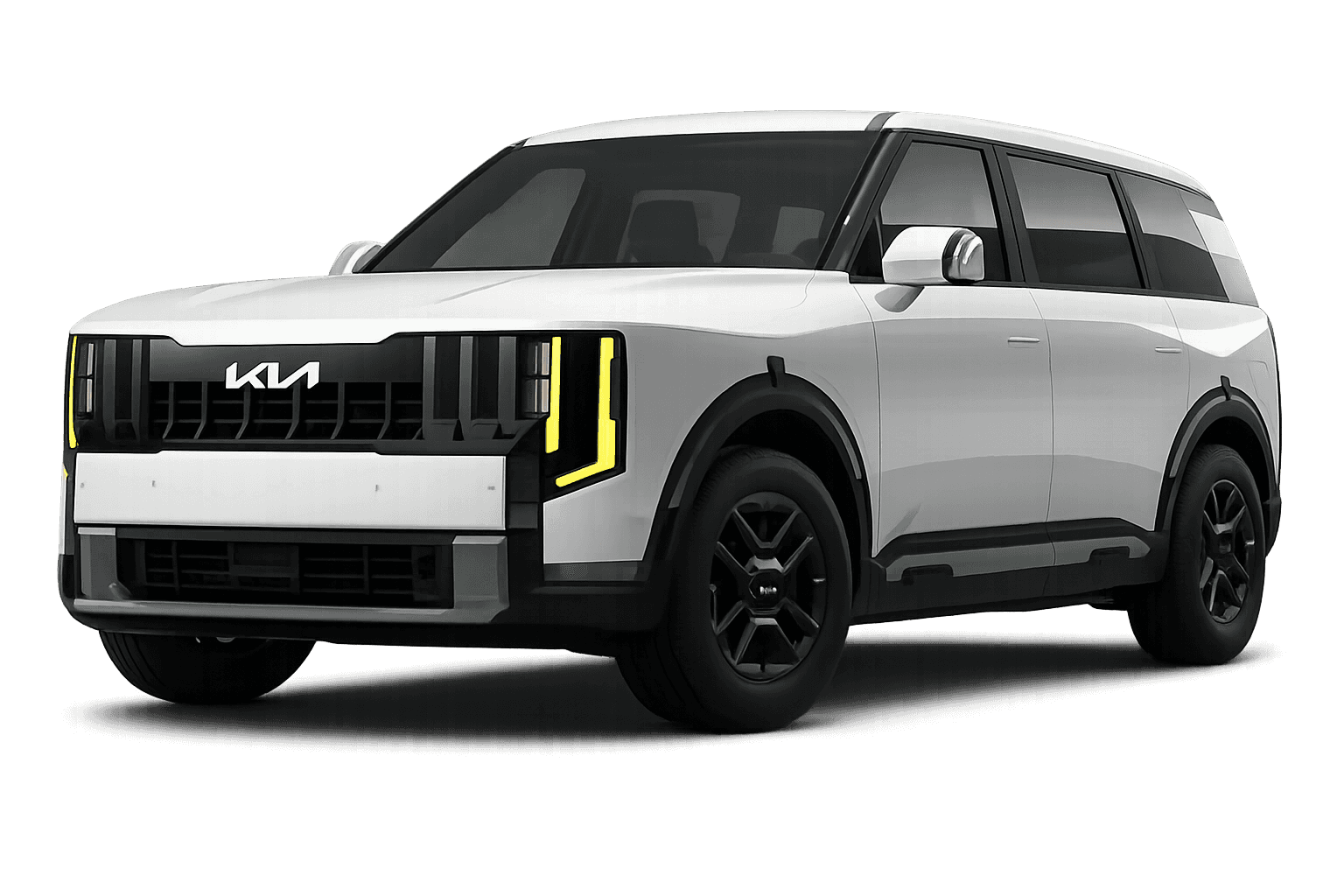
 Telluride Hybrid
2026 Kia EV9 Service Tips: What Every EV Owner Should Know
Last month, a new 2024 EV9 owner came in after 18,000 miles asking why their charging seemed slower than when the vehicle was new. During inspection, we found they’d been treating their $60,000 electric SUV like it needed zero maintenance—never rotating tires despite the 5,800-pound vehicle’s weight, skipping brake fluid testing, and ignoring the battery cooling system inspection recommendations. The comprehensive catch-up service cost $780. Following proper EV maintenance from delivery? Would have cost $520 spread across appropriate intervals with no deferred items and maintained optimal charging performance.
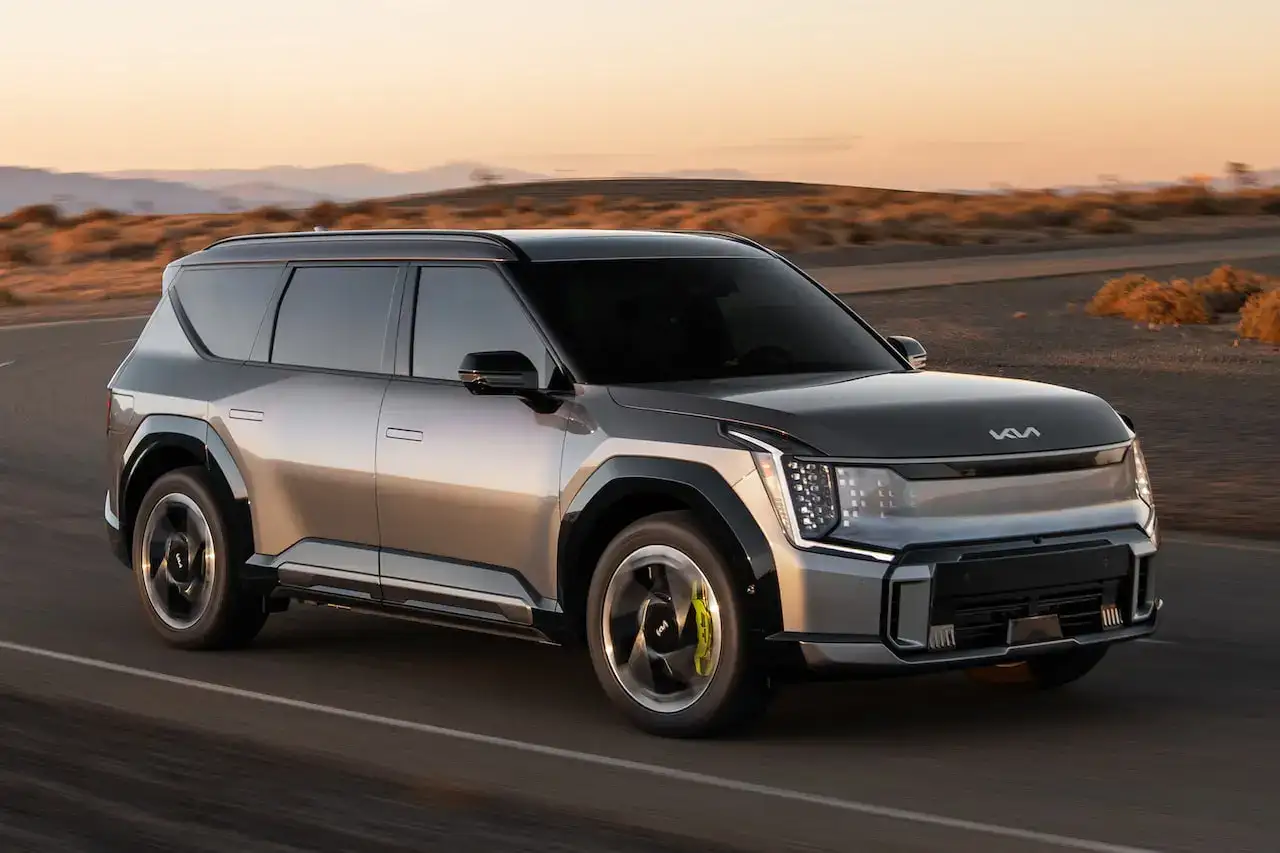
If you’re driving the impressive 2026 Kia EV9 around Beavercreek, you’re experiencing Kia’s flagship electric vehicle: a three-row luxury SUV offering up to 304 miles of range, fast charging capability, and sophisticated technology that rivals vehicles costing twice as much. The EV9 represents Kia’s commitment to premium electric mobility while maintaining the practicality families need.
But the common misconception that electric vehicles need no maintenance is dangerously wrong, especially for premium EVs like the EV9. While you’ve eliminated engine oil changes and many traditional services, you’ve gained EV-specific maintenance requirements that protect your substantial investment. Understanding what your EV9 actually needs ensures reliability, maintains optimal performance, and preserves the advanced features that make this vehicle special.
This matters especially in Ohio, where our four-season weather creates unique challenges for electric vehicles. Temperature extremes affect battery performance and range, winter road salt threatens electrical components, and our climate requires careful attention to EV-specific maintenance. Proper care ensures your EV9 delivers the performance and efficiency throughout Ohio’s challenging conditions.
What Makes EV9 Maintenance Different
Understanding how the EV9 differs from both gas vehicles and smaller EVs helps you appreciate its specific maintenance requirements and why luxury electric SUVs need particular care.
The dual-motor all-wheel drive system in most EV9 models delivers 379 horsepower through front and rear electric motors. This instant, tremendous torque creates specific stress on tires, suspension, and drivetrain components. The motors themselves require no routine maintenance but depend on the cooling and electrical systems functioning properly.
The 99.8 kWh battery pack weighs approximately 1,300 pounds and provides the EV9’s impressive range. This massive battery requires sophisticated thermal management using liquid cooling to maintain optimal temperature during charging and driving. The cooling system includes coolant, pumps, heat exchangers, and radiators requiring periodic inspection and eventual service.
“EV9 owners often assume ‘electric’ means ‘maintenance-free’ because they’re coming from luxury gas SUVs where service was more frequent,” says Robert Chen, EV Specialist at our Heller Drive location. “We have to educate them that EVs have different maintenance, not zero maintenance. The 5,800-pound EV9 wears tires faster than lighter vehicles. The sophisticated cooling systems need inspection. The brake system, despite regenerative braking, still requires fluid service. Ignoring these items because ‘it’s an EV’ leads to expensive problems.”
The 800-volt electrical architecture enables ultra-fast charging but requires specific maintenance attention. The high-voltage system includes cables, connections, and components throughout the vehicle that need periodic inspection. Corrosion, damage, or loose connections affect charging performance and potentially create safety concerns.
The one-pedal driving capability through aggressive regenerative braking extends brake life dramatically but creates maintenance considerations. Brake components that sit mostly unused can develop problems from insufficient exercise rather than excessive wear. Understanding these unique EV maintenance needs prevents issues.
Advanced technology systems including dual 12.3-inch displays, augmented reality head-up display, and sophisticated driver assistance features require software maintenance, calibration verification, and specific care that basic EVs don’t need. These premium features represent substantial portions of your EV9’s value.
Essential EV9 Maintenance Schedule
Your EV9 follows a maintenance schedule dramatically different from gas vehicles but not nonexistent as many EV owners assume. Understanding required services helps you budget and schedule appropriately.
Tire rotation every 6,000-7,500 miles is more critical than on lighter vehicles. The EV9’s 5,800-pound curb weight plus instant torque from electric motors creates aggressive tire wear patterns. Front tires experience particular stress from the weight and torque. Regular rotation distributes wear evenly, extending tire life from 35,000-40,000 miles to 50,000-60,000+ miles.
Use only tires meeting Kia’s load rating and specifications for the EV9. The substantial weight requires tires capable of handling the load safely. Using incorrect tires creates safety risks and accelerates wear. When replacement becomes necessary, consider EV-specific tires optimized for the instant torque and weight of electric vehicles.
Tire pressure monitoring weekly prevents the range losses that matter more in EVs than gas vehicles. Underinflated tires increase rolling resistance, forcing motors to work harder and consuming battery energy that reduces driving range. Every 1 PSI below proper pressure reduces range by approximately 0.3%. With Ohio’s temperature swings causing daily pressure variations, weekly checking prevents the gradual underinflation that costs you range.
Battery cooling system inspection every 15,000 miles verifies thermal management maintains optimal battery temperature during charging and operation. The EV9’s liquid cooling system is sophisticated, using dedicated coolant to keep the battery within ideal temperature range. This system requires inspection of coolant level, pump operation, radiator condition, and connections.
The battery cooling system uses coolant requiring eventual replacement, typically at 100,000 miles or 10 years for initial fill. However, inspection catches leaks, pump failures, or system degradation before they affect battery performance. Overheating batteries degrade faster, losing capacity and charging speed that proper cooling prevents.
Brake system inspection every 15,000 miles despite regenerative braking dramatically reducing wear. Your EV9’s regenerative braking handles most deceleration, meaning brake pads might last 100,000+ miles. However, this reduced use creates maintenance considerations that many EV owners don’t anticipate.
Brake rotors develop surface rust from insufficient friction brake use. Brake calipers can seize from lack of movement. Once monthly, deliberately use friction brakes to exercise components and clean rotor surfaces. During highway driving, reduce regenerative braking level and use moderate brake pedal pressure. This intentional brake use prevents the rust and sticking that develop from prolonged inactivity. 🔋
Brake fluid service every 30,000 miles or two years maintains proper boiling point despite reduced brake use. Brake fluid absorbs moisture from the atmosphere over time regardless of use frequency. This moisture lowers boiling point and promotes internal corrosion in calipers and ABS components. EV brake fluid service costs $165-195 but prevents expensive component damage from contaminated fluid.
Cabin air filter replacement every 15,000-20,000 miles maintains air quality and HVAC efficiency. The EV9 relies entirely on electric heating and cooling without waste engine heat. Clogged cabin filters force the HVAC system to work harder, consuming battery power that reduces driving range. In Ohio, seasonal pollen and winter road salt dust clog filters faster than cleaner environments.
12-volt battery replacement every 4-5 years prevents the failures that strand EV owners. Despite the large traction battery, your EV9 uses conventional 12-volt battery to power accessories and enable high-voltage system operation. If the 12-volt battery fails, the vehicle won’t operate despite the traction battery being fully charged. Test annually and replace proactively to avoid unexpected failures.
Battery Care and Charging Best Practices
Your EV9’s battery represents the most expensive single component requiring specific care to maximize longevity and maintain optimal performance throughout ownership.
Avoid regular charging to 100% unless needed for long trips. Lithium-ion batteries experience less stress when kept between 20-80% state of charge for daily use. The EV9’s charging settings allow you to set a daily charge limit of 80%, which you should use for routine charging. Only charge to 100% before road trips requiring maximum range.
This charging practice significantly extends battery life. Batteries regularly charged to 100% and depleted to near-empty degrade faster than batteries maintained in the 20-80% range. Over 10 years, the difference can be 15-20% additional capacity retention through proper charging habits versus aggressive charging patterns.
Precondition before DC fast charging in cold weather. The EV9 can precondition the battery when navigating to a charging station, warming it to optimal temperature for fast charging acceptance. Cold batteries accept charge slowly, dramatically increasing charging time. Preconditioning uses energy but ensures the battery can accept maximum charging speed upon arrival.
Avoid frequent DC fast charging when unnecessary. While the EV9’s 800-volt architecture handles fast charging well, frequent high-speed charging generates more battery heat than Level 2 (240V) home charging. This additional thermal stress accelerates battery wear over time. Use DC fast charging for road trips and urgent situations, but rely on home Level 2 charging for daily use when possible.
Monitor charging speed consistency as an indicator of battery health. Your EV9 should consistently achieve maximum charging speeds appropriate to the charger rating when battery is preconditioned and at optimal temperature. If you notice charging speeds declining compared to previous experiences at the same charger, it might indicate developing battery cooling system issues deserving inspection.
Park in moderate temperatures when possible. Extreme heat and extreme cold both stress batteries. Garage parking during Ohio’s hot summers and cold winters reduces temperature-related stress. If garage parking isn’t available, seek shaded parking in summer and consider using departure timing to precondition the vehicle while still plugged in during winter.
A EV9 owner came to us last fall after noticing reduced DC fast charging speeds over several months. Instead of the 210kW peak they experienced when new, they were only achieving 140-160kW at the same charger. During inspection, we found the battery cooling system pump operating at reduced efficiency from accumulated debris. The pump service and cooling system flush cost $420 and immediately restored full charging speeds. The owner hadn’t realized that cooling system performance directly affected charging capability.
High-Voltage System Maintenance
Your EV9’s 800-volt electrical system requires specific maintenance ensuring safe, efficient operation throughout the vehicle’s high-voltage components.
Annual high-voltage system inspection verifies electrical connections, cable conditions, and component operation throughout the 800-volt architecture. High-voltage cables use orange insulation for identification and carry tremendous current requiring secure connections and undamaged insulation.
Technicians inspect all visible high-voltage connections for corrosion, damage, or loosening. They verify the battery management system reports no faults and all safety systems function correctly. They check for any evidence of moisture intrusion in electrical components that could cause failures or safety concerns.
Charging port and cable inspection ensures safe, efficient charging. The charging port contacts can corrode from weather exposure or become damaged from improper cable insertion. Damaged ports affect charging speed and potentially create safety hazards. Annual inspection catches deterioration before it causes problems.
Inspect your home charging cable regularly for any damage to insulation, stress on the connector, or fraying anywhere along the cable length. Any damage requires immediate cable replacement as damaged charging cables create shock and fire hazards. Store cables properly when not in use to prevent damage from weather, rodents, or physical stress.
Software updates for battery management, charging optimization, and vehicle systems improve performance and fix issues discovered after production. Kia releases updates regularly that owners might never know about without checking during service visits. These updates often improve charging speeds, enhance battery thermal management, or fix minor issues affecting operation.
Request software update check at every service visit. Updates typically install at no cost but require connection to Kia diagnostic equipment. Installing available updates ensures your EV9 operates with the latest improvements and fixes.
DC fast charging system verification if you frequently use public fast charging. The onboard charging system converts DC power from fast chargers to charge the battery at maximum safe rates. This system experiences significant thermal stress during fast charging sessions. If you regularly use DC fast charging, more frequent battery cooling system inspections help ensure the system handles the thermal loads without degradation.
Winter Operation and Maintenance
Ohio’s winter conditions create specific considerations for EV9 operation and maintenance. Understanding these effects helps you maintain optimal performance during challenging months.
Range reduction in cold weather is normal physics affecting all EVs. Your EV9’s battery chemistry slows in cold temperatures, reducing available energy. You might experience 30-40% range reduction in extreme cold (below 10 degrees) compared to optimal conditions. This is temporary and resolves as temperatures moderate.
The vehicle uses battery energy to heat the cabin and warm the battery to operating temperature. This heating demand significantly reduces range during winter. Preconditioning your EV9 while still plugged in warms both cabin and battery using grid power rather than battery power, preserving range for driving.
Charging times increase when the battery is cold. The battery management system limits charging speed to cold batteries to protect battery health. Precondition the battery before charging sessions, especially before DC fast charging, to ensure the battery can accept maximum charging speeds.
Road salt protection becomes critical for the battery pack and high-voltage connections. The battery pack sits low in the vehicle structure, exposing its protective shield to road salt spray. Underbody washing during winter removes salt that could corrode protective shields or cause electrical connection degradation.
Schedule underbody wash every 2-3 weeks during active winter weather when roads are salt-covered. Focus on removing salt from the battery pack area, suspension components, and anywhere salt accumulates. This simple maintenance prevents the corrosion that develops from winter neglect.
Heating system efficiency affects winter range significantly. The EV9 uses heat pump technology for efficient cabin heating, but extremely cold weather reduces heat pump effectiveness. Understanding this helps set realistic winter range expectations and encourages preconditioning use to maximize efficiency.
Your 30-Day EV9 Excellence Plan
This week: Establish your EV9 maintenance baseline by reviewing your owner’s manual and understanding EV-specific service requirements. Locate your high-voltage battery cooling system components and verify you understand the inspection schedule. Check your current mileage and calculate when your next services are due. If you’re approaching 15,000, 30,000, or any major interval, schedule service now. Download the Kia Connect app if you haven’t already and familiarize yourself with its charging, service, and vehicle status features. Set your daily charge limit to 80% rather than 100% to extend battery life. This setup takes about thirty minutes but establishes proper EV9 care habits.
Within two weeks: Inspect your home charging setup and cable condition. Look for any damage to cable insulation, stress on connectors, or wear anywhere along the cable. If you’re using a portable charger, verify it’s properly stored when not in use. Check your charging port for any corrosion or damage. Clean the port contacts gently with a soft, dry cloth if you notice any debris. Review your tire pressures and adjust to door jamb specifications—underinflation significantly affects EV range. Join EV9 owner forums or Kia EV groups to learn from experienced electric vehicle owners about optimal charging practices, efficiency tips, and maintenance insights. Schedule comprehensive EV service if you haven’t had one since taking delivery.
By month’s end: Complete any outstanding EV-specific maintenance you’ve identified. If you’ve been confused about EV maintenance needs and may have deferred items, address them now. Optimize your charging habits based on your daily driving—set charge scheduling to take advantage of off-peak electricity rates if your utility offers time-of-use pricing. Create calendar reminders for EV-specific maintenance items like tire rotation every 6,000-7,500 miles, brake system inspection every 15,000 miles, and annual high-voltage system inspection. Practice using friction brakes deliberately once this month to exercise components. Stock your EV9 with appropriate emergency equipment including portable tire inflator, 12-volt jump starter (for the 12V battery), and basic supplies. These three steps establish proper luxury EV care protecting your investment.
The True Cost of EV9 Ownership
Understanding actual EV9 maintenance costs versus avoided gas vehicle maintenance helps you appreciate the financial benefits of electric driving beyond just “fuel” savings.
Proper EV9 maintenance over 60,000 miles includes approximately eight tire rotations ($240 if not included with other service), two brake fluid services ($360), four cabin air filter replacements ($160), battery cooling system inspections (typically included in service appointments), one 12-volt battery replacement ($220), high-voltage system inspections (included in routine service), and addressing typical findings during inspections ($400). Total EV maintenance: approximately $1,380 over 4-5 years.
Avoided gas vehicle maintenance for comparable three-row luxury SUV over 60,000 miles would include approximately 10 oil changes ($1,200-1,500), two transmission services ($700-1,000), spark plug replacement ($280-400), engine air filters ($140-200), significantly more brake service from lack of regenerative braking ($1,200-1,600), and various engine-related items. Total avoided maintenance: approximately $4,500-5,700.
Maintenance cost difference: $3,120-4,320 savings for EV9 over 60,000 miles, or approximately $52-72 monthly savings just from reduced maintenance. Combined with electricity versus gas savings of approximately $3,500-5,000 over the same period (depending on your electricity rates), the total operating cost savings of $6,620-9,320 substantially offset the EV9’s premium pricing versus comparable gas luxury SUVs.
Electricity costs for 60,000 miles assuming 2.5 miles/kWh efficiency and $0.28/kWh average (Ohio typical residential rate): 24,000 kWh consumed costing approximately $6,720, or about $112 monthly average. Comparable gas luxury SUV averaging 22 MPG at $3.50/gallon would cost approximately $9,550 for same mileage, or $159 monthly.
Your 2026 Kia EV9 represents the future of family transportation: zero emissions, impressive technology, luxury refinement, and lower operating costs than comparable gas vehicles. But realizing these benefits requires understanding and following EV-specific maintenance rather than assuming electric means maintenance-free.
If you want to ensure your EV9 receives the specialized electric vehicle care it requires, schedule your EV-specific service today by calling our service department or booking online. Our EV-certified technicians understand luxury electric vehicle requirements and provide the expert care your flagship Kia deserves.
You’ll find us at 2220 Heller Drive in Beavercreek, conveniently located near I-675 and easily accessible from Dayton, Fairborn, and throughout Greene County. We offer comprehensive EV service, battery health assessments, and expertise specific to Kia’s advanced electric vehicles.
Proper EV-specific maintenance protects your substantial investment, maintains optimal range and charging performance, and ensures your EV9 delivers the efficiency and reliability that make electric three-row luxury SUVs so compelling. That’s the confidence proper EV care delivers.

0 comment(s) so far on 2026 Kia EV9 Service Tips: What Every EV Owner Should Know