



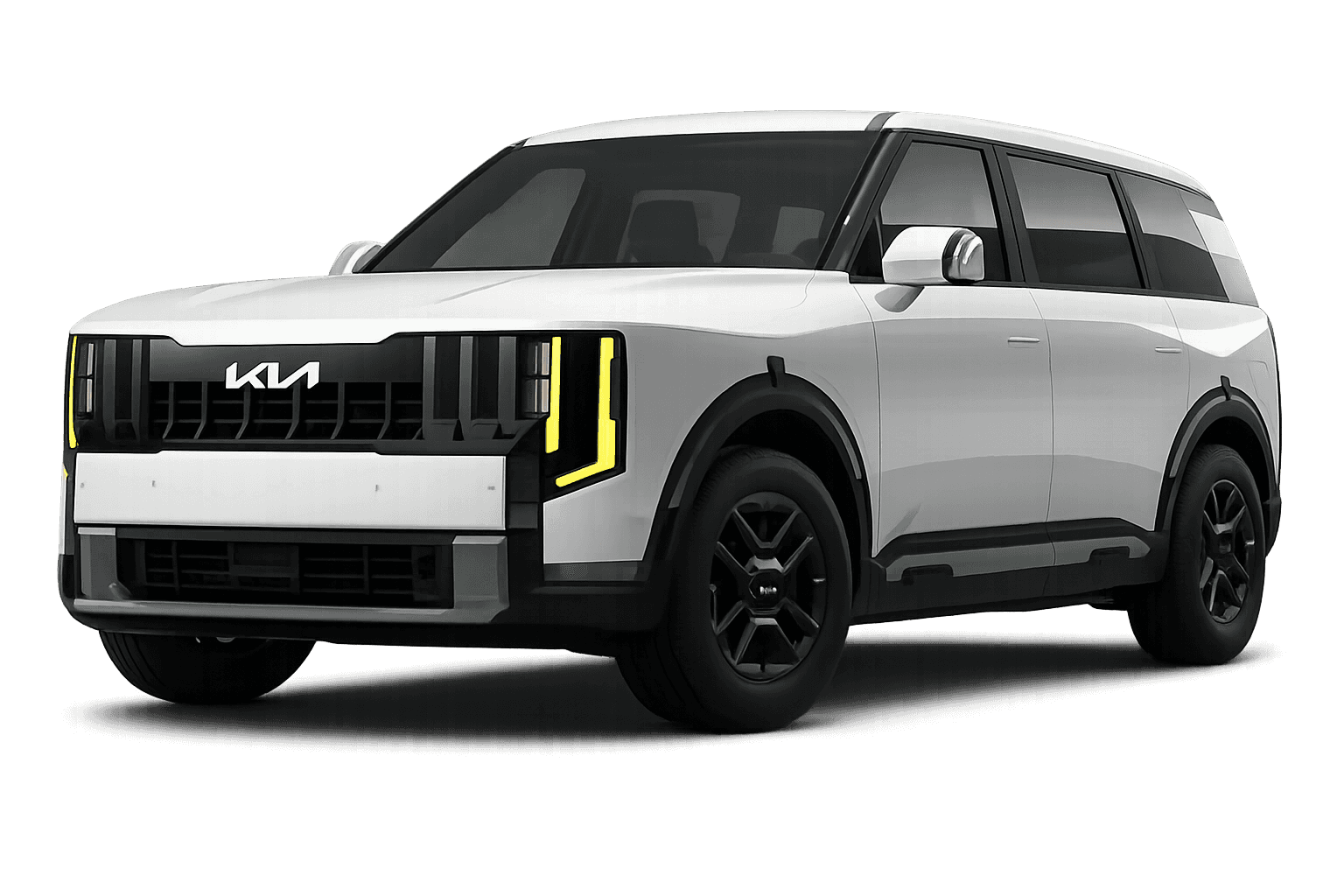
 Telluride Hybrid
Best Kia Features for Snowy Ohio Roads This Holiday Season
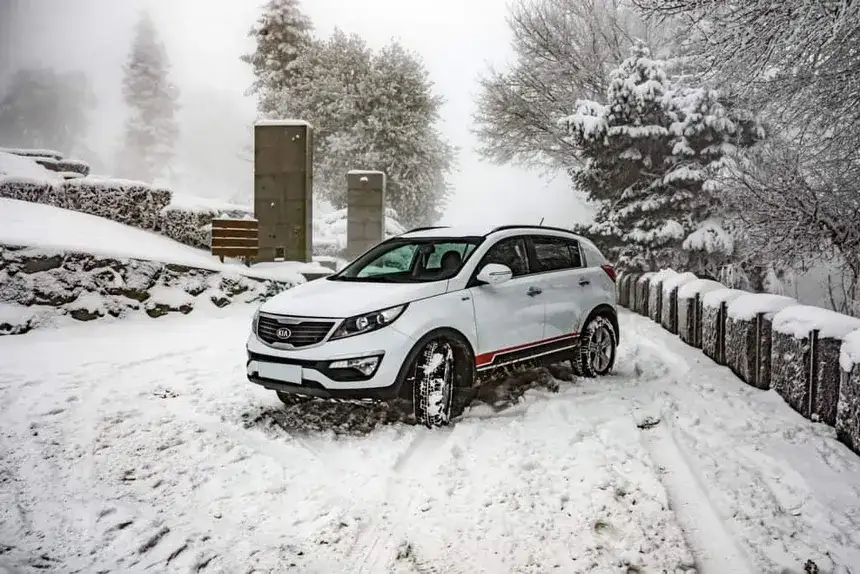
Two weeks ago, a 2022 Kia Telluride came in after sliding through a stop sign on Colonel Glenn Highway during the first snowfall. The driver had all-wheel drive but didn’t understand how the system worked or that winter tires would have made a significant difference. She’d assumed AWD alone meant she could drive normally in snow. The collision repair from hitting a guardrail cost $3,200. The set of winter tires she’d considered buying? $800.
If you think all-wheel drive is all you need for Ohio winter driving, you’re trusting only part of the safety equation. Modern Kias come equipped with sophisticated technology designed specifically for challenging weather conditions, but these systems work best when you understand how to use them properly and combine them with appropriate tires and driving techniques.
Greene County and the greater Dayton area see substantial winter weather every year. Between lake-effect snow from the north, Alberta clippers bringing quick-hitting storms, and frequent freeze-thaw cycles creating black ice on I-675 and US-35, Ohio drivers face some of the most challenging and variable winter conditions in the country. Your Kia’s safety features are engineered for exactly these situations, but only if you know how they work and when to activate them.
This guide explores the most valuable Kia features for snowy Ohio roads, from all-wheel drive systems and winter driving modes to advanced driver assists and visibility enhancements. You’ll learn how each technology actually works, when to use it, and how to combine features for maximum safety and control during holiday travel to Columbus, Cincinnati, or family gatherings across the state.
Understanding Kia’s All-Wheel Drive Systems
Kia offers multiple all-wheel drive systems across their lineup, each engineered for different driving needs and conditions. Understanding which system your vehicle has and how it operates makes the difference between confident winter driving and white-knuckle anxiety every time snow falls.
Most Kia crossovers and SUVs, including the Sportage, Sorento, and Telluride, use an on-demand AWD system. Under normal dry conditions, these vehicles operate in front-wheel drive for better fuel economy. When the system detects front wheel slip through sensors monitoring wheel speed, it automatically engages the rear wheels by directing power through an electronically controlled coupling.
This happens nearly instantaneously, typically within milliseconds of detecting slip. You don’t need to press buttons or flip switches. The system constantly monitors conditions and adjusts power distribution hundreds of times per minute based on wheel slip, steering angle, throttle position, and vehicle speed. On snow-covered Grange Hall Road or icy sections of Dayton-Xenia Road, this automatic engagement helps maintain traction before you even realize the front wheels were slipping.
How AWD Actually Helps in Snow
Here’s what AWD does and doesn’t do. All-wheel drive helps you accelerate and climb hills by distributing power to all four wheels, reducing the likelihood that spinning tires lose traction. When pulling away from a stop sign on a snowy Kemp Road or climbing the hill on North Fairfield Road after an ice storm, AWD provides substantial advantage over two-wheel drive.
AWD does not help you stop faster or turn more sharply. Braking and cornering depend entirely on tire traction, not drivetrain configuration. A front-wheel drive vehicle with winter tires stops shorter than an AWD vehicle with all-season tires on snow or ice. This misunderstanding causes countless accidents every winter when drivers assume AWD provides all-around better control.
The real benefit of Kia’s AWD systems comes from their integration with electronic stability control and traction control. These systems work together, with the AWD distributing power where it’s needed while stability control prevents skids and traction control limits wheel spin. This coordinated operation provides control that older mechanical AWD systems couldn’t match.
Snow Mode and Drive Mode Selection
Modern Kias include multiple driving modes that adjust vehicle behavior for different conditions. The Snow mode, available on most AWD Kia models, specifically optimizes performance for slippery surfaces, but many drivers never use it because they don’t understand what it actually does.
When you activate Snow mode, several systems adjust simultaneously. Throttle response becomes more gradual, preventing aggressive acceleration that causes wheel spin. The transmission shifts to second gear for starts rather than first, reducing torque to the wheels and minimizing the likelihood of breaking traction. AWD engagement becomes more aggressive, sending power to the rear wheels earlier and maintaining rear power longer even when front wheels aren’t slipping.
Stability control calibration changes to allow slightly more wheel slip before intervening, giving you better ability to rock the vehicle free if stuck. ABS activation threshold adjusts for snow-covered surfaces where normal braking patterns don’t apply. These combined changes create noticeably different vehicle behavior that’s much better suited to winter conditions.
When to Activate Snow Mode
A 2023 Kia Sorento owner came to us last December frustrated that her AWD vehicle “didn’t work in snow.” We took her out on a snowy back road near Wright-Patterson Air Force Base and demonstrated normal mode versus Snow mode. In normal mode, the vehicle spun its front wheels pulling away from stops and required careful throttle control. In Snow mode, the same vehicle pulled away smoothly with minimal wheel spin and felt dramatically more controlled. She’d owned the vehicle eight months and never once activated Snow mode because she didn’t know it existed.
Activate Snow mode whenever you’re driving on snow-covered, icy, or slushy roads. Don’t wait until you’re stuck or sliding. The mode works preventively to avoid traction loss, not reactively to fix it after problems start. On questionable winter mornings when roads might be slick, activate it before leaving your driveway.
Snow mode does reduce throttle response and limits top-end performance. You’ll notice the vehicle feels less peppy and acceleration is more gradual. This is intentional. On dry roads, return to normal mode for better fuel economy and performance. The mode is designed for slippery conditions, not year-round use.
Most Kias require you to reactivate Snow mode each time you start the vehicle. The system defaults back to normal mode for safety reasons. Get in the habit of pressing the drive mode button and selecting Snow whenever weather conditions warrant it. The two-second process dramatically improves winter control and safety.
Traction Control and Stability Systems for Winter Driving
Your Kia’s electronic stability control (ESC) and traction control systems (TCS) form the foundation of winter safety technology. These systems work continuously in the background, intervening hundreds of times during normal winter driving to prevent skids and maintain control.
Traction control monitors individual wheel speeds and reduces engine power or applies braking to specific wheels when it detects excessive spin. On slippery intersections along Kemp Road or accelerating onto I-675 during snow, TCS prevents wheels from spinning uselessly and maintains forward momentum. The system reacts faster than any driver could, cutting power within milliseconds of detecting slip.
Electronic stability control monitors your steering input and compares it to the vehicle’s actual path. If the vehicle begins rotating more than intended (oversteering) or refuses to turn as much as expected (understeering), ESC applies individual wheel brakes and reduces power to bring the vehicle back to your intended path. This intervention prevents the vast majority of loss-of-control accidents on snowy or icy roads.
Should You Ever Turn Traction Control Off?
The traction control off button in your Kia raises questions every winter. Most drivers should never turn these systems off during winter driving. The protection they provide far exceeds any benefit from disabling them. However, specific situations exist where temporary TCS deactivation helps.
If you’re stuck in deep snow, traction control might cut power too aggressively, preventing you from rocking the vehicle free or maintaining enough momentum to push through the snow. In this specific scenario, temporarily disabling TCS allows controlled wheel spin that can help you escape. Once free, immediately reactivate the system.
Never drive on public roads with TCS disabled during winter conditions. The increased accident risk isn’t worth any perceived benefit. Some experienced drivers claim better “feel” and control with systems off, but crash data consistently shows these systems prevent far more accidents than they might theoretically cause through intervention.
Most Kias disable only traction control when you press the button, leaving stability control active. This provides a safety net even when you’ve disabled TCS for a specific reason. Check your owner’s manual for your specific model’s behavior, as systems vary across the lineup.
Advanced Driver Assistance Systems for Winter Safety
Newer Kias come equipped with advanced driver assistance systems (ADAS) that provide extra protection during winter driving. Forward collision avoidance, blind spot monitoring, lane keeping assist, and rear cross-traffic alert all adapt to winter conditions, though they have limitations you need to understand.
Forward collision warning and automatic emergency braking monitor the road ahead using radar and cameras. When the system detects potential collision with a vehicle or obstacle, it warns you and can automatically apply brakes if you don’t respond. On snowy Ohio roads where stopping distances double or triple, this extra reaction time can prevent rear-end collisions.
However, snow, ice, or road spray can obscure sensors and cameras, reducing system effectiveness. Many Kias display a warning when forward sensors are blocked. If you see this warning, clean the front grille area and radar sensor behind the Kia emblem. The system can’t protect you if sensors can’t see properly.
Blind Spot Monitoring in Winter Conditions
Blind spot monitoring proves especially valuable during winter when snow-covered windows and built-up road spray reduce visibility. The system uses radar sensors in the rear bumper that aren’t affected by dirty windows or limited visibility, continuing to detect vehicles in adjacent lanes even when you can’t see them clearly.
“The feature that saves drivers most during winter is blind spot monitoring combined with rear cross-traffic alert,” says David Chen, Service Manager at our Heller Drive location. “People underestimate how much visibility they lose when snow is piled on the rear window and road spray covers the mirrors. The blind spot system keeps working when their eyes can’t, and we’ve heard countless stories from customers about accidents these systems prevented during lane changes or backing out of parking spaces.”
Lane keeping assist and lane following assist face challenges on snow-covered roads where lane markings become invisible. Most systems disengage or provide warnings when they can’t detect lane lines clearly. Don’t rely on these systems during heavy snow when markings are obscured. They’re supplemental assistance, not replacements for attentive driving.
Rear cross-traffic alert monitors for approaching vehicles when you’re backing out of parking spaces. This is particularly valuable in busy shopping center parking lots during holiday season when visibility is limited by snow banks and other vehicles. The system can detect approaching traffic you can’t see and warn you before collision occurs.
Heated Features That Improve Winter Safety
Kia’s heated features extend beyond comfort to genuine safety improvements during winter driving. Heated seats and steering wheels get the attention, but several less-obvious heated features directly impact your ability to see and react to road conditions.
Heated mirrors prevent ice buildup and clear condensation that blocks your view of adjacent lanes and blind spots. On freezing mornings when you’re scraping windshields, heated mirrors clear themselves automatically, ensuring you have full rear visibility before driving. Many newer Kias activate heated mirrors automatically when outside temperature drops below certain thresholds.
Heated windshield wiper areas melt ice and snow from the wiper blades and lower windshield where wipers rest. This prevents the common problem of frozen wipers stuck to the windshield or ice chunks forming on blades that streak and obscure vision. Clear wipers mean better visibility during snowfall, dramatically improving safety.
The Visibility Advantage
A heated steering wheel does more than warm your hands. Cold hands lose dexterity and sensation, reducing your ability to feel vehicle feedback and make precise steering inputs. Warm hands maintain full sensitivity and control, improving your ability to respond to sliding or traction loss. This might seem minor, but the difference becomes obvious during extended winter driving when your hands would otherwise go numb.
Heated rear seats aren’t just passenger comfort. When you need to transport elderly family members or children to holiday gatherings, heated seats make the journey safer by keeping passengers comfortable and reducing distractions from complaints about being cold. Comfortable passengers mean less distraction for the driver navigating challenging conditions.
The defrost system in modern Kias includes dedicated vents and heated zones designed to clear windshield fog and ice faster than older vehicles. Proper use of this system, combined with recirculation control, maintains clear visibility even during rapid temperature changes or when carrying multiple passengers whose breathing creates interior condensation.
Winter Tire Benefits That Multiply Kia’s Safety Features
Every electronic safety system in your Kia depends on one critical factor: tire contact with the road. All-wheel drive, stability control, ABS, and traction control can only work with whatever grip your tires provide. Winter tires fundamentally change this equation, multiplying the effectiveness of every safety system.
Winter tires use rubber compounds that remain flexible in cold temperatures, providing better grip even on cold, dry pavement. The specialized tread patterns move water and slush away from the contact patch and create biting edges that grip snow and ice. Testing consistently shows winter tires reduce stopping distances by 30-40% compared to all-season tires on snow and ice.
Here’s the practical impact: a Kia Sportage with winter tires and front-wheel drive stops shorter and corners better on snow than a Telluride with AWD and all-season tires. The tire grip matters more than the drivetrain. Adding winter tires to an AWD Kia creates the safest possible combination for Ohio winter driving.
The Real Cost of Winter Tire Protection
A 2021 Kia Seltos owner came in last January after sliding through an intersection on Shakertown Road and causing a two-car accident. She had AWD and assumed she was prepared for winter driving. The accident cost her $2,800 in deductible, increased insurance premiums, and the stress of dealing with injuries to the other driver. We’d recommended winter tires the previous November when she was in for service, but she’d declined because of the $750 cost.
Her cost breakdown:
- Insurance deductible: $1,000
- Rental car during repairs: $420
- Increased insurance premiums (first year): $840
- Lost work time and stress: substantial
- Total cost of skipping winter tires: $2,260+
What she should have done:
- Set of four winter tires mounted on steel wheels: $750
- Seasonal tire swaps: $40 per year
- Smart total: $790 for complete winter protection
- Her actual loss from skipping winter tires: $1,470+
Winter tires aren’t an expense, they’re an investment in safety that pays for itself the first time they prevent an accident. Most drivers who switch to winter tires report dramatically increased confidence and control, transforming winter driving from anxious to manageable.
Mount winter tires on inexpensive steel wheels so you can swap them yourself or have quick, inexpensive seasonal changes. The tires last 5-7 winters with proper care, making the annual cost minimal. Store them in your garage or basement during summer, they don’t take much space.
Your 30-Day Winter Driving Preparation Plan
This week: Familiarize yourself with your Kia’s drive mode selector and practice activating Snow mode. Read your owner’s manual section on winter driving to understand which features your specific model includes and how to use them properly. Locate all the controls for heated features so you can activate them quickly without taking your eyes off the road. Check your windshield washer fluid level and replace it with winter formula rated to at least negative 20 degrees. Summer washer fluid freezes on the windshield when sprayed in cold weather, instantly blocking your vision at the worst possible moment. Test your defroster and make sure all vents blow strongly. Weak airflow suggests a clogged cabin air filter that needs replacement.
Within two weeks: Schedule an appointment to discuss winter tire options for your specific Kia model and driving patterns. Bring information about your typical winter driving, whether that’s short commutes around Beavercreek or regular trips to Columbus or Cincinnati. The service advisor can recommend appropriate tire options and wheel packages. Have your battery tested if it’s more than three years old, as cold weather dramatically reduces battery capacity and starting power. A battery that works fine in summer might fail on the first 15-degree morning. Clean or replace your wiper blades if they streak or chatter, and consider upgrading to winter wiper blades with rubber boots that prevent ice buildup in the blade mechanism.
By month’s end: Complete a full winter service including oil change with appropriate winter-weight oil if needed, tire rotation if you’re keeping all-season tires, and comprehensive inspection of brakes, suspension, and steering components. Winter driving stresses these systems more than summer conditions. Have the technician check tire tread depth on all four tires, as winter performance degrades rapidly once tread drops below 6/32 inch depth. Verify all exterior lights work properly since you’ll be driving in dark conditions more often and visibility is critical during snow. Stock your vehicle with winter emergency supplies including ice scraper, snow brush, small shovel, blanket, flashlight, phone charger, and non-perishable snacks in case you get stuck or stranded.
These three steps take less than three hours total but transform your Kia from marginally prepared to completely ready for Ohio winter conditions. Most winter accidents are preventable with proper vehicle preparation, tire selection, and understanding of available safety technology.
The holiday season means increased driving to family gatherings, shopping trips, and travel during some of the most challenging weather conditions. Your Kia has the technology to keep you safe, but that technology works best when combined with proper tires, maintenance, and driver knowledge.
Common Winter Driving Mistakes That Defeat Safety Features
Even with all the advanced technology in modern Kias, certain driver habits and misconceptions defeat the safety systems and increase accident risk. Understanding these common mistakes helps you avoid them during winter driving around Greene County and beyond.
The biggest mistake is assuming AWD and safety systems eliminate the need for reduced speeds in winter conditions. These systems help maintain control at appropriate speeds but can’t overcome physics. On icy I-675 or snow-covered Colonel Glenn Highway, you still need to reduce speed significantly compared to dry conditions. The safety systems help you maintain control at lower speeds, they don’t enable normal-speed driving in abnormal conditions.
Another common error is following too closely behind other vehicles. Many drivers maintain their normal following distance during snow, not accounting for dramatically increased stopping distances. Electronic safety systems can’t create traction that doesn’t exist. On snow or ice, increase your following distance to at least 6-8 seconds, double or triple your normal gap.
Sudden steering, acceleration, or braking inputs overwhelm traction even with advanced safety systems. Smooth, gradual inputs allow stability control and traction control to work effectively. Jerky driving forces the systems to intervene more aggressively, creating unpredictable vehicle behavior. Gentle acceleration, early braking, and gradual steering changes help safety systems keep you in control.
Schedule Your Winter Vehicle Preparation Today
Remember that Telluride owner from the beginning? After her collision and repairs, she invested in a complete set of winter tires and took a winter driving course to understand how to use her vehicle’s safety features properly. She now activates Snow mode at the first sign of winter weather, runs winter tires from November through March, and maintains appropriate speeds for conditions regardless of how capable her AWD system makes the vehicle feel. She hasn’t had a single incident in two winters since, and she reports feeling dramatically more confident during winter driving.
Your Kia is equipped with exceptional winter safety technology, but these systems work best when properly maintained, combined with appropriate tires, and used correctly. The holiday season brings increased traffic, stressed drivers, and challenging weather conditions. Taking time now to prepare your vehicle and understand its features prevents accidents and ensures reliable transportation when you need it most.
Our Kia-certified technicians at Kia of Beavercreek understand Ohio winter driving and know exactly what your specific Kia model needs for safe winter operation. We provide comprehensive winter preparation service including battery testing, winter tire consultation and installation, fluid checks and replacement, brake inspection, and complete review of your vehicle’s safety systems to ensure they’re functioning properly. Every service includes clear explanation of your vehicle’s winter features and how to use them effectively.
Schedule your winter preparation service today by calling our service department or booking online. You’ll find us at 2220 Heller Dr, Beavercreek, OH 45434, ready to ensure your Kia is completely prepared for Ohio winter weather.
Proper winter preparation combines advanced vehicle technology with appropriate tires and informed driving techniques. That’s the confidence and safety that lets you focus on holiday celebrations rather than worrying about the drive home.

0 comment(s) so far on Best Kia Features for Snowy Ohio Roads This Holiday Season