


Commuter Mileage Defense: Kia Spark Plug & Fuel Injection Car
Key Takeaways
- High commuter mileage accelerates spark plug wear: Frequent starts, stops, and short trips common to daily commuting put more cumulative stress on ignition components than occasional highway driving.
- Fuel injectors can develop deposits over time: Detergent-poor fuel and stop-and-go driving patterns contribute to injector fouling that gradually affects spray pattern and fuel delivery precision.
- Worn spark plugs quietly erode fuel economy: A degraded spark plug doesn’t always cause an obvious misfire, but it can reduce combustion efficiency enough to noticeably affect miles per gallon.
- Beavercreek’s commuter routes add real wear: Regular stop-and-go traffic near Wright-Patterson and along North Fairfield Road means more ignition cycles and cold starts than steady highway commuting would produce.
A worn spark plug rarely announces itself with a dramatic failure. It just quietly costs a driver miles per gallon, one commute at a time. Spark plug replacement is one of the more affordable maintenance items a Kia owner will pay for, especially measured against the fuel cost of ignoring it for tens of thousands of miles. For commuters around Beavercreek racking up daily mileage, understanding how spark plugs and fuel injectors affect efficiency helps explain why this maintenance item deserves more attention than it often gets.
Why Commuter Driving Is Hard on Ignition Components
Every time an engine starts, spark plugs fire thousands of times per minute to ignite the air-fuel mixture in each cylinder. A commuter driving pattern, with frequent starts, idling in traffic, and repeated short trips, generates more of these ignition cycles relative to total mileage than a driver who covers most of their miles on sustained highway trips.
Cold starts place particular demand on spark plugs, since the engine has to establish combustion before it reaches optimal operating temperature, a process that puts more electrical and thermal stress on the plug than firing in an already-warm engine. A commuter making multiple short trips throughout the day, rather than one longer drive, exposes their spark plugs to more of these cold-start cycles over the same total mileage.
Over time, the electrode gap on a spark plug widens as the metal erodes from repeated arcing, and the plug’s ability to ignite the fuel mixture cleanly and consistently declines. This process happens gradually enough that many drivers don’t notice the effect on performance or economy until the wear has progressed considerably.
How Fuel Injection Deposits Develop
Modern fuel injectors deliver precisely metered fuel in a specific spray pattern designed to optimize combustion. Over time, deposits can form on injector tips from fuel additives, minor impurities, and the heat cycling that comes with normal engine operation, gradually altering that spray pattern from the fine mist the engine is designed to run on toward a coarser, less efficient pattern.
Stop-and-go driving contributes to this process more than steady highway driving does, since frequent idling and lower sustained RPM give deposits more opportunity to accumulate compared to the higher, more consistent fuel flow of highway cruising. Commuters navigating daily traffic are, by the nature of that driving pattern, more exposed to the conditions that encourage injector fouling.
Fuel quality plays a role as well. Not all fuel contains the same level of detergent additives, and fuel from stations with lower-quality or inconsistent additive packages can contribute to faster deposit buildup on injectors over time compared to consistently using top-tier detergent gasoline.
How Worn Components Affect Fuel Economy
A degraded spark plug doesn’t always produce a noticeable misfire, especially in its earlier stages of wear. What it often produces instead is incomplete or less efficient combustion, meaning the engine burns fuel less effectively without necessarily triggering a warning light. The practical result is a gradual decline in fuel economy that’s easy to attribute to weather, traffic, or driving habits rather than an aging spark plug.
Fouled fuel injectors create a similar quiet effect. A slightly altered spray pattern means fuel isn’t atomizing as finely as designed, which can lead to less complete combustion and, again, reduced fuel economy without an obvious symptom pointing directly at the injectors as the cause.
Together, worn spark plugs and fouled injectors can compound each other’s effects, since inefficient ignition combined with imprecise fuel delivery compounds the overall loss in combustion efficiency more than either factor would alone.
Signs Your Ignition or Fuel System May Need Attention
- Gradual decline in fuel economy: Worth tracking over time, since a slow trend downward can be easy to miss without comparing mileage figures across several fill-ups.
- Rough idle or hesitation on acceleration: Can indicate spark plug wear affecting combustion consistency, particularly at lower RPM.
- Difficulty starting, especially in cold weather: Often points toward spark plugs that have worn enough to struggle with the added demand of a cold start.
- Check engine light with misfire-related codes: Should be diagnosed promptly, since this can indicate a spark plug or injector issue that has progressed beyond early-stage wear.
Recommended Service Intervals
- Spark plug replacement: Generally recommended in the range of 30,000 to 100,000 miles depending on the specific plug type used in the vehicle, with iridium and platinum plugs typically lasting toward the higher end of that range. A technician can confirm the correct interval for a specific model and plug type.
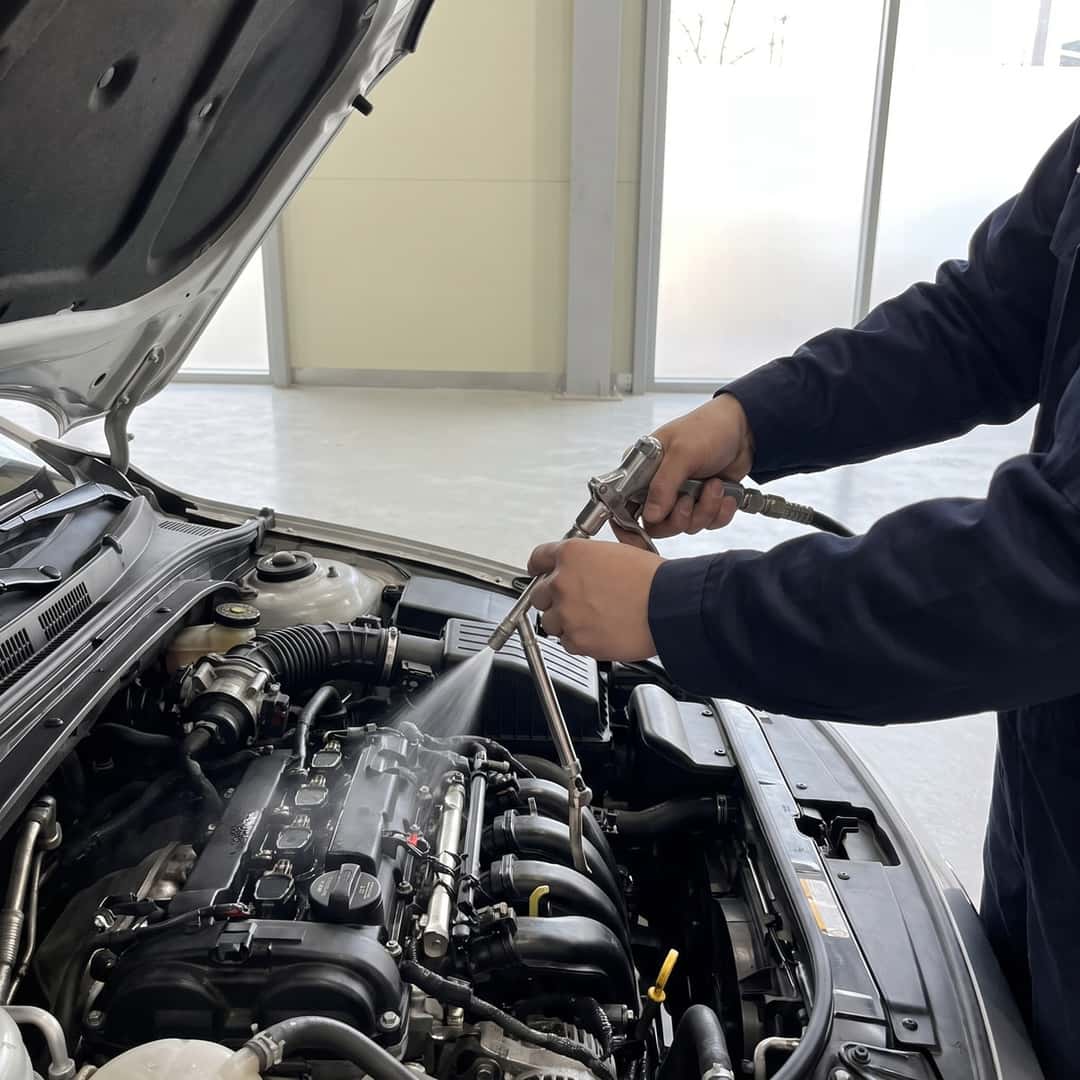
- Fuel injection service: Often recommended periodically to clean injector deposits and restore proper spray pattern, with timing depending on driving conditions and fuel quality habits.
- Fuel system inspection: Recommended as part of routine service to catch early signs of injector fouling or fuel delivery irregularities before they meaningfully affect performance.
Spark plug replacement and fuel injection service both represent relatively modest maintenance costs compared to the cumulative fuel expense of driving for years on worn ignition and fuel delivery components.
Beavercreek Commuting and What It Means for These Components
Commuters around Beavercreek dealing with regular traffic near Wright-Patterson Air Force Base, North Fairfield Road, and the broader Dayton commuter corridors experience exactly the kind of driving pattern that accelerates spark plug and injector wear: frequent stops, repeated cold starts on short trips, and extended idling during peak traffic periods. This pattern means a commuter’s vehicle may benefit from ignition and fuel system service sooner than the same mileage accumulated primarily through highway driving would suggest.
Ohio’s seasonal cold snaps add another layer, since cold starts already place more demand on spark plugs, and a commuter starting their vehicle multiple times a day through a Dayton area winter accumulates those demanding cold-start cycles more frequently than a driver making fewer, longer trips.
Protecting Your Commute’s Efficiency
Spark plugs and fuel injectors are easy to overlook precisely because their wear doesn’t announce itself the way a failing brake or a check engine light does. For commuters logging significant mileage on daily Beavercreek and Dayton area routes, staying ahead of the recommended service intervals helps preserve the fuel economy and smooth performance a Kia is designed to deliver, rather than letting it erode gradually over tens of thousands of commuter miles.
For owners who want the reassurance of a shop that understands how commuter driving patterns affect ignition and fuel system components, working with a team familiar with Kia’s specific service intervals makes a meaningful difference over time. Kia of Beavercreek, located at 2220 Heller Dr, Beavercreek, OH 45434, United States, offers spark plug and fuel injection service built around exactly these driving conditions, giving local commuters a clear way to protect their mileage before it starts slipping away.
0 comment(s) so far on Commuter Mileage Defense: Kia Spark Plug & Fuel Injection Car