



 Telluride Hybrid
Commuting Along US-35: How the Kia Forte Intelligent Variable Transmission Saves Fuel for Beavercreek Drivers
Key Takeaways
- Intelligent Variable Transmission technology adjusts continuously rather than shifting through fixed gears, which helps the engine stay in its most efficient operating range.
- US-35 commuters benefit from both highway and stop-and-go conditions, since the transmission adapts differently depending on speed and traffic flow.
- Smoother power delivery reduces the jerky shifting that traditional automatic transmissions can produce during merges and speed changes.
- Lower long-term maintenance costs are common with this transmission design compared to transmissions with more mechanical components that wear over time.
Anyone who merges onto US-35 from Beavercreek during morning rush hour knows the drill: a quick burst of speed to merge, a steady cruise for a few miles, then a slowdown near the interchanges before speeding back up again. A Kia Forte equipped with an Intelligent Variable Transmission handles those constant speed changes more efficiently than a traditional stepped automatic, often saving a meaningful amount of fuel over the course of a single commute. For Beavercreek drivers who make this same drive day after day, understanding how that transmission actually works can make a real difference in choosing the right vehicle for daily use.
Why US-35 Presents a Unique Driving Pattern
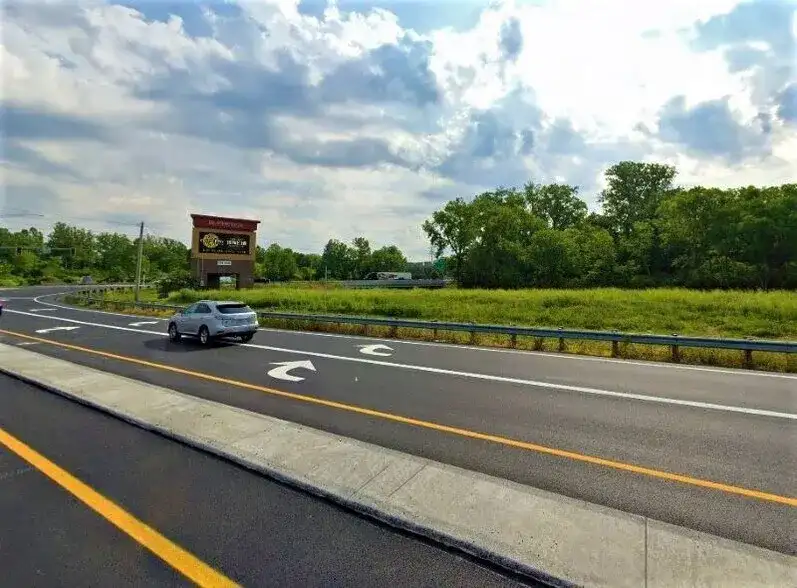
US-35 through the Beavercreek area is not a single, consistent type of driving. Commuters heading toward Dayton or out toward Xenia deal with a mix of sustained highway speeds, merge points where speed needs to build quickly, and occasional slowdowns near interchanges and construction zones that have become a fairly regular feature of this corridor in recent years. That variety puts real demands on a vehicle’s transmission, since it has to handle both steady cruising and frequent speed changes without wasting fuel during either.
Traditional automatic transmissions with a fixed number of gears are built around a set of gear ratios chosen to work reasonably well across a range of conditions, but they are not optimized for any single condition. A Kia Forte’s Intelligent Variable Transmission takes a different approach, one that is particularly well suited to a corridor like US-35 where driving conditions shift throughout a typical commute rather than staying consistent for the whole drive.
How Intelligent Variable Transmission Technology Works
Unlike a traditional automatic transmission, which relies on a fixed set of gears that the vehicle shifts between, an Intelligent Variable Transmission uses a system of pulleys and a steel belt to create a continuously variable range of gear ratios.
- Continuously variable gear ratios allow the engine to operate at its most efficient RPM range regardless of vehicle speed, rather than being locked into whichever fixed gear is currently engaged.
- Smooth power delivery eliminates the noticeable shift points that traditional automatics produce, which results in a more consistent driving feel during acceleration and highway merging.
- Simulated shift points are programmed into many modern IVT systems to give drivers a more familiar sensation during hard acceleration, even though the transmission itself does not use traditional fixed gears.
- Reduced mechanical complexity compared to transmissions with more clutch packs and planetary gearsets can translate into fewer components subject to wear over the life of the vehicle.
This design is part of why Kia Fortes equipped with this transmission tend to post competitive fuel economy figures, particularly in mixed driving conditions similar to what a US-35 commute actually involves.
Highway Cruising Efficiency on US-35
Once a Forte reaches a steady cruising speed on US-35, the Intelligent Variable Transmission settles into a gear ratio that keeps engine RPM low relative to the vehicle’s speed. This is where the fuel savings become most apparent during longer, steadier stretches of the drive, since the engine is not working harder than necessary to maintain a constant highway speed.
- Lower engine RPM at cruising speed reduces fuel consumption during the sustained highway portions of a commute between Beavercreek and Dayton.
- Consistent power delivery during highway merges means less hesitation when accelerating to match traffic speed on entrance ramps.
- Reduced engine strain over long highway stretches can contribute to lower long-term wear on internal engine components compared to a transmission that shifts more frequently to maintain efficiency.
- Better fuel economy figures in EPA testing for Forte models with this transmission compared to some competitors using traditional stepped automatics in the same class.
For a commuter making the same highway stretch daily, these efficiency gains add up meaningfully over the course of a year, particularly with fuel prices that can fluctuate throughout different seasons.
“A lot of customers ask me why their Forte feels so smooth compared to their old car, especially merging onto 35 in the mornings,” said Nate Ferguson, a service advisor who works with plenty of local commuters bringing their vehicles in for routine maintenance. “It comes down to how the transmission is constantly adjusting instead of jumping between fixed gears, and that translates into both a smoother ride and better mileage on a commute like this one.”
Stop-and-Go Performance Near Interchanges and Construction Zones
US-35’s interchanges near Beavercreek, along with the construction activity that has affected parts of the corridor in recent years, mean that commuters frequently deal with slower, more variable speeds mixed in with the faster highway stretches. This is where a traditional automatic transmission can feel hesitant, shifting up and down repeatedly as speed fluctuates and sometimes producing a slightly jerky, less refined driving experience.
An Intelligent Variable Transmission handles these conditions more smoothly, since it does not need to complete a discrete gear shift every time speed changes. Instead, it continuously adjusts the pulley ratio to match whatever speed and power demand the driver requires at that moment. For a commuter navigating stop-and-go traffic near a construction zone, that translates into a noticeably smoother experience with less of the surging or hesitation that can come from a transmission working through several gear changes in quick succession.
Maintenance Considerations for IVT Systems
While an Intelligent Variable Transmission has fewer traditional wear components than some conventional automatics, it still requires specific maintenance to perform reliably over the long term.
- Transmission fluid specific to IVT systems is required, since using the wrong fluid type can affect how well the belt and pulley system performs and may lead to premature wear.
- Fluid change intervals tend to be less frequent than with some traditional automatics, though routine inspection is still important to catch any early signs of wear.
- Belt and pulley wear should be checked periodically, since these are the core mechanical components responsible for the transmission’s variable gear ratios.
- Software updates from the manufacturer can occasionally refine how the transmission responds to different driving conditions, improving both efficiency and drivability over time.
A routine service visit is typically enough to confirm these systems are working as expected, and most Forte owners find that overall transmission-related maintenance costs stay reasonable over the life of the vehicle when service intervals are followed.
What Beavercreek Drivers Notice Day to Day
Drivers who make the US-35 commute regularly often mention how much smoother the ride feels compared to a traditional automatic, particularly during merges and the kind of variable speed conditions that show up near interchanges and construction areas. That smoothness is not just a comfort feature. It reflects the transmission working efficiently across a wide range of speeds without the abrupt shift points that waste a small amount of fuel and momentum with every gear change.
Over the course of a full commute, from the initial merge onto US-35 through the steadier highway stretch and back down through slower traffic near the exit, an Intelligent Variable Transmission is constantly adjusting to keep the engine operating as efficiently as possible. For Beavercreek commuters who make this drive daily, that translates into fewer fuel stops over the course of a month and a noticeably smoother experience behind the wheel.
For anyone curious about how a Kia Forte would handle their specific daily commute along US-35, or looking to have questions answered about IVT maintenance and performance, the team at Kia of Beavercreek, located at 2220 Heller Dr, Beavercreek, OH 45434 can walk through which Forte trim and features make the most sense for daily commuting in the area.

0 comment(s) so far on Commuting Along US-35: How the Kia Forte Intelligent Variable Transmission Saves Fuel for Beavercreek Drivers