


Hybrid Spring Tune-Up: Sportage Hybrid Service Checklist
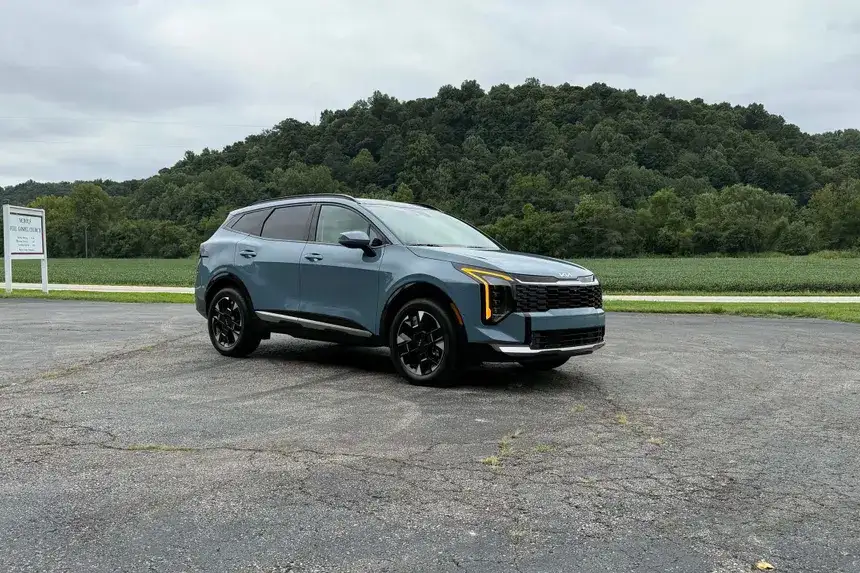
Last month, a 2022 Kia Sportage Hybrid came into our service bay with a sluggish acceleration complaint and a warning light that had been glowing for two weeks. The owner had skipped their scheduled hybrid battery cooling system inspection and hadn’t had the 12-volt auxiliary battery tested since purchase. After 28,000 miles of stop-and-go traffic on I-675 and Ohio 35, the auxiliary battery had failed, throwing the hybrid system into a reduced-power limp mode. The hybrid system diagnostic and battery replacement ran $800 out of pocket. The hybrid cooling service they passed on? It would have cost $95.
If you drive a Sportage Hybrid in Beavercreek or anywhere around the greater Dayton area, this story probably hits close to home. Ohio winters are rough on vehicles in general, but hybrid systems carry their own unique set of demands that a standard oil-change checklist simply doesn’t cover. The combination of freezing temperatures, road salt, and constant start-stop cycles on US-35 and I-675 puts real stress on your Sportage Hybrid’s powertrain.
Here’s the thing: hybrid vehicles aren’t more fragile than conventional cars, but they do require a different kind of attention. Many drivers assume their Sportage Hybrid is maintenance-free between major intervals because it’s “newer technology.” That assumption leads to exactly the kind of expensive surprise the driver above experienced.
This guide walks you through a complete spring tune-up checklist for your Kia Sportage Hybrid, with specifics on what Beavercreek and Dayton-area driving conditions mean for your service timeline and what it actually costs to stay ahead of problems before they find you.
How Your Sportage Hybrid System Works (And Why Spring Matters)
Two Power Sources, One Complex System
The Sportage Hybrid uses a 1.6-liter turbocharged engine paired with an electric motor and a 270-volt lithium-ion polymer battery pack. These two systems work together constantly, and the transition between them is managed by the Hybrid Control Module. What many drivers don’t realize is that this system generates significant heat even during normal operation, and the cold Ohio winter months can mask developing problems that become obvious as temperatures rise in spring.
When temperatures drop below freezing on Route 444 or in the I-675 corridor, your Sportage Hybrid’s battery management system works overtime to keep the high-voltage pack within its operating temperature window. This extra effort wears on cooling system components, sensors, and the auxiliary 12-volt battery that supports the system electronics. By the time spring arrives in Greene County, those components have been through a lot.
Spring is the ideal diagnostic window because temperature extremes have passed but you still have time to address wear before summer heat adds its own layer of strain. A thorough spring inspection can catch cooling system issues, battery health trends, and brake wear that winter obscured.
Warning Signs Your Sportage Hybrid Needs Attention This Spring
Recognizing early symptoms saves you from that panicked moment in a parking lot off Fairfield Road when your hybrid suddenly won’t power on or loses acceleration. These signs are worth watching for as the weather warms up in Beavercreek.
- Reduced EV mode range: If your Sportage isn’t running on electric power as often at low speeds, the high-voltage battery may need attention or the cooling system may be restricting charge capacity.
- Longer warm-up periods: When the combustion engine keeps running longer than usual before switching to hybrid mode, it often signals a battery or sensor calibration issue.
- 12-volt battery warning light: This small battery powers the hybrid system’s electronics. If it fails, the entire hybrid system shuts down, even if your main battery is fine.
- Unusual braking feel: The Sportage Hybrid uses regenerative braking. A spongy, inconsistent brake pedal can indicate that the regenerative and mechanical braking systems are out of sync.
- Reduced fuel economy: A sudden drop in your MPG numbers after winter is one of the clearest indicators that something in the hybrid system is operating outside its normal parameters.
- Cabin climate not responding normally: The high-voltage battery pack has its own cooling system. If cabin climate feels sluggish, the hybrid HVAC integration may be involved.
- Check Hybrid System warning: Never ignore this light. Unlike a generic check engine light, a hybrid system warning almost always points to something time-sensitive.
If you notice two or more of these signs together, don’t wait for the next scheduled service. Bring your Sportage Hybrid in for a diagnostic before a manageable issue turns into an expensive repair.
The Complete Kia Sportage Hybrid Spring Service Checklist
High-Voltage Battery System
Your hybrid battery is the heart of the system. A spring inspection should include a state-of-health check, which measures the battery’s capacity relative to when it was new. Kia’s diagnostic tools can generate a detailed battery report that shows individual cell voltages and flags any cells that are degrading ahead of the pack. Catching a single weak cell early prevents a cascade failure that damages neighboring cells.
The battery cooling system deserves its own dedicated inspection. The coolant loop that runs through the hybrid battery pack should be flushed every 60,000 miles or five years, but after a harsh Beavercreek winter, an early inspection of coolant condition and flow is worth the 30 minutes it takes. Contaminated or degraded hybrid coolant is one of the most common sources of battery-related warning lights we see at our service department on Heller Dr.
Brake System and Regenerative Integration
Regenerative braking is efficient, but it changes how your mechanical brakes wear. Because the Sportage Hybrid uses electric braking to slow down and recover energy, your physical brake pads see less use than on a conventional vehicle. The tradeoff is that less heat and friction can allow brake rotors to develop surface rust more quickly, especially after weeks of sitting in cold, wet Ohio weather.
A spring brake inspection should include rotor surface condition, pad thickness, caliper function, and a test of the regenerative-to-mechanical transition. When your foot hits the brake pedal, the system blends electric and mechanical braking seamlessly. If that blending feels off, it’s a calibration or sensor issue, not necessarily worn pads.
12-Volt Auxiliary Battery
This is the most overlooked component in hybrid maintenance. The 12-volt battery in your Sportage Hybrid starts the hybrid system’s electronics and powers everything from the key fob to the push-button start. Cold Ohio winters are hard on lead-acid batteries, and a battery that tests at 70% health in February can fail completely by April. A battery load test costs almost nothing and prevents the inconvenience of being stranded at the Fairfield Commons mall with a car that simply won’t come on.
Engine Oil, Filters, and Fluids
Even though your Sportage Hybrid’s engine runs less frequently than a conventional engine, the oil still ages and accumulates condensation from cold starts. Spring is an ideal time to refresh engine oil if you’re within range of your interval, inspect the cabin air filter after a winter of recirculated air, and check CVT fluid condition. The Sportage Hybrid uses a specialized transmission fluid that should be inspected for discoloration or debris at each major service.
What Skipping Spring Maintenance Actually Costs
The numbers aren’t complicated, but they are eye-opening. Here’s a real comparison based on what we see regularly in our service department.
Skipping hybrid battery cooling service and auxiliary battery test:
- Hybrid system diagnostic (after failure): $150-200
- Auxiliary battery replacement: $250-350
- Potential hybrid battery cooling repair (if overheating caused damage): $400-900
- Total reactive cost: $800-1,450
Proactive spring maintenance approach:
- Hybrid battery health check and cooling system inspection: $95-120
- Auxiliary battery load test (often complimentary): $0-25
- Smart total: $95-145
Your savings from proactive spring maintenance: $700-1,300 on this scenario alone.
A 2023 Sportage Hybrid owner came to us last March after noticing a significant drop in fuel economy during her daily commute along Ohio 35 into downtown Dayton. When we ran the hybrid diagnostic, we found the battery cooling fan had a partially seized bearing that was causing the pack to run warmer than normal, reducing charge acceptance. She had put off her spring service by about four months. The cooling fan motor replacement ran $380. Caught at a routine inspection, the labor to inspect and clean the cooling fan would have been covered in an $89 service visit.
Why Beavercreek and Dayton-Area Driving Demands a Different Maintenance Schedule
Greene County winters are no joke. Average overnight lows in January hover around 18 to 22 degrees Fahrenheit, and the combination of road salt on I-675 and freeze-thaw cycles takes a particular toll on hybrid system connectors, cooling hoses, and the underbody components that house your Sportage Hybrid’s high-voltage wiring harness.
Summer in the Dayton area brings the opposite problem. With July highs regularly hitting the upper 80s and 90s, your hybrid battery cooling system works twice as hard after already taking a beating all winter. A battery cooling system that limped through February in Beavercreek may completely fail in August on a hot day with the AC running full blast. Spring service is the window between these two extremes where repairs are manageable and affordable.
Stop-and-go traffic around the Beavercreek Towne Square area and on Colonel Glenn Highway also means your regenerative braking system is working constantly. That’s efficient for fuel economy but requires regular inspection of the brake blending system to ensure smooth, predictable stops year-round.
Neglecting regenerative brake inspection for two years:
- Rotor replacement (both front): $280-400
- Pad replacement (front): $150-220
- Brake system recalibration: $95-130
- Total: $525-750
Annual spring brake inspection:
- Visual inspection and test drive: Included in service visit
- Rotor resurfacing if needed: $80-120
- Smart total: $80-120, with rotors that last 50% longer
A Sportage Hybrid owner from the Fairborn area came in last spring after his vehicle entered limp mode on I-675 during rush hour. The culprit was a failed high-voltage coolant pump, something that had been showing subtle signs for about two months, including slightly reduced EV mode engagement. The repair was $620. A spring cooling system service the prior year, including inspection and coolant condition check, runs $95 to $130 and would almost certainly have caught the pump wear before it failed completely.
“One of the most common mistakes we see with Sportage Hybrid owners is treating it like a regular gasoline vehicle when it comes to spring service,” says Marcus Holley, Lead Hybrid Technician at the Heller Dr. location. “The hybrid battery cooling system and the auxiliary battery need to be checked every spring, especially after the winters we get in Beavercreek. I’d rather spend 20 minutes finding a weak battery now than tell a customer their hybrid system needs a major repair in July.”
Taking 30 minutes to address your Sportage Hybrid’s spring service needs this season could easily save you hundreds of dollars and prevent the kind of roadside inconvenience that no one needs on a Tuesday morning heading toward Wright-Patterson. The Kia-trained technicians at our Beavercreek location have the specialized diagnostic tools your hybrid system requires, tools that generic shops simply don’t have access to.
Your 30-Day Hybrid Spring Check
This week: Monitor your EV mode usage. Pay attention to how often and how long your Sportage Hybrid runs on electric power during your normal Beavercreek commute. If EV mode seems shorter or less frequent than it was six months ago, that’s your first signal to schedule a diagnostic. You can also check the hybrid system information screen in your infotainment for basic battery state-of-charge patterns.
Within two weeks: Inspect your brake feel during normal stops. On a quiet section of road like Grange Hall Road or North Fairfield Road, make several moderate stops from about 35 mph and pay attention to pedal consistency. A spongy or pulsing feel means your regenerative-to-mechanical brake blending needs attention. Also check the underside of your vehicle for any corrosion around the orange high-voltage cables, which are visible on a flat surface or low curb.
By month’s end: Schedule your spring hybrid service appointment. Ask specifically for a hybrid battery health report, auxiliary 12-volt battery load test, and cooling system inspection in addition to your standard service items. Bring your maintenance records so the technician can see what was done at your last visit and identify any overdue items.
These three checks take less than two hours of your time but can prevent the kind of hybrid system failure that sidelines your vehicle for days and costs several times more than a proactive service visit.
Schedule Your Hybrid Spring Service Today
That Sportage Hybrid owner who came in last month with the failed auxiliary battery and limp-mode hybrid system? She came back last week for her spring service appointment, scheduled it proactively, and left with a full hybrid health report and a coolant system that’s ready for a Dayton-area summer. She told us she’d already shared the auxiliary battery tip with two other Sportage Hybrid owners in her neighborhood.
The key takeaway is simple: your Kia Sportage Hybrid is a sophisticated piece of engineering that rewards attentive maintenance with reliability, fuel efficiency, and a longer overall lifespan. Skipping spring service doesn’t save money; it defers costs and adds interest.
The certified Kia technicians at Kia of Beavercreek are trained specifically on hybrid powertrain diagnostics and have the manufacturer-level tools to run a complete hybrid health assessment, not just a standard multi-point inspection. Our team works with Sportage Hybrids every week and understands exactly what Ohio winters do to these systems.
Schedule your hybrid spring service today by contacting our service department or booking online. Kia of Beavercreek is located at 2220 Heller Dr, Beavercreek, OH 45434.
Proper hybrid maintenance protects your investment, prevents unexpected breakdowns, and ensures your Sportage Hybrid delivers the fuel economy and reliability you bought it for. That’s the confidence that comes with knowing your vehicle is genuinely ready for what’s ahead.
0 comment(s) so far on Hybrid Spring Tune-Up: Sportage Hybrid Service Checklist