


Kia’s Hybrid and Plug-In Models: Battery Cooling Maintenance Beyond the Sportage
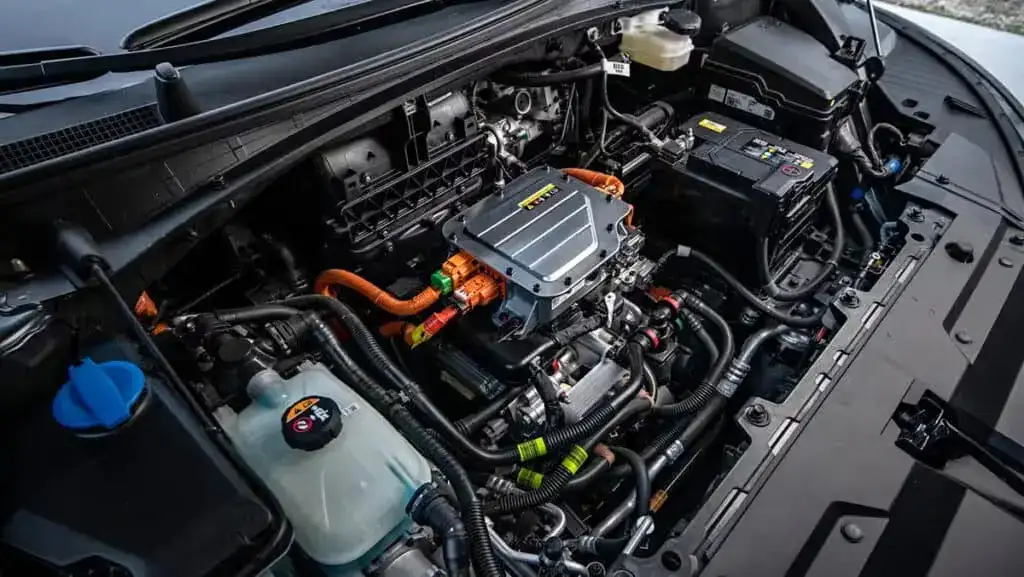
Kia’s hybrid and plug-in hybrid lineup has expanded significantly over the past few years, and a lot of Beavercreek owners are now driving Niro, Sorento, or EV6 models alongside the more familiar Sportage hybrid. What most of them have in common is a battery cooling system that quietly does one of the most important jobs on the vehicle, and a cooling system that’s neglected or running below spec can accelerate battery degradation in ways that turn a routine maintenance visit into a $2,000 to $5,000 battery repair conversation far sooner than it should. Understanding how these systems work and what they need isn’t complicated, but it does require a little more attention than most owners realize.
Battery cooling is one of those systems that tends to get overlooked precisely because it works so well when it’s functioning correctly. Kia’s hybrid and plug-in hybrid batteries generate significant heat during charging and discharging cycles, and that heat has to go somewhere. The cooling system, whether it uses air, liquid, or a combination of both depending on the model, is responsible for keeping the battery operating within the temperature range where it performs efficiently and degrades slowly. When that system isn’t doing its job, battery temperatures climb, degradation accelerates, and the gap between what the battery should be delivering and what it actually is delivering starts to widen faster than it should.
How Kia’s Battery Cooling Systems Work Across Different Models
Not all Kia hybrid and plug-in models use the same cooling approach, and understanding which system your vehicle uses changes what maintenance looks like:
- Air-cooled systems, found on earlier Niro hybrid models, rely on cabin air to cool the battery pack. This design keeps the system relatively simple, but it also means the battery cooling intake, typically located under a rear seat or in the cargo area, needs to be kept clear of debris, luggage, and anything else that restricts airflow. A blocked intake on an air-cooled system can raise battery temperatures significantly without triggering an immediate warning, and owners of these models are often surprised to learn that the battery cooling inlet even exists.
- Liquid-cooled systems, found on plug-in hybrid models like the Sorento PHEV and Sportage PHEV as well as the EV6, use a dedicated coolant loop to manage battery temperature more precisely. This approach handles a wider range of operating conditions than air cooling does, but it introduces its own maintenance requirements. The coolant in these systems degrades over time just like engine coolant does, and a flush at the interval specified by Kia keeps the system working efficiently and prevents the kind of internal corrosion that reduces cooling capacity gradually over years of use.
- Thermal management calibration matters as much as the hardware itself. Kia’s battery management software controls when and how aggressively the cooling system runs based on battery temperature, charge state, and driving conditions. Keeping the vehicle current on software updates ensures the thermal management system is making decisions based on the latest calibration rather than older logic that may not account for how the battery has aged.
What Happens When Battery Cooling Is Neglected
The consequences of inadequate battery cooling are gradual enough that most owners don’t connect them to a cooling issue until the damage is already significant. A battery that’s been running warmer than it should for an extended period loses capacity faster than one that’s been kept within its optimal temperature range, and that capacity loss shows up as reduced electric range, more frequent transitions to the gas engine in plug-in hybrid models, and fuel economy that drifts lower over time in ways that don’t have an obvious explanation.
The more serious end of neglected cooling is accelerated cell degradation that becomes irreversible. Individual battery cells that have been exposed to sustained elevated temperatures over thousands of miles develop internal resistance that no software update or recalibration can fix. At that point, the repair conversation shifts from maintenance to battery module or pack replacement, which is where the costs climb significantly.
Daniel Cho, a service technician at our Beavercreek location, sees cooling-related battery concerns more often than most owners would expect. “The air-cooled Niro models are the ones that catch people off guard the most. The intake is under the rear seat, and people put stuff back there without realizing they’re blocking airflow to the battery. We’ve had customers come in wondering why their hybrid mileage has dropped, and when we check the cooling intake it’s completely blocked by a floor mat or a bag that’s been sitting there for months. It’s an easy fix once you know about it, but it’s the kind of thing nobody tells you when you buy the car.” He recommends that Niro hybrid owners make a habit of checking the area around the rear seat cooling intake every few months, particularly if they regularly use the back seat or cargo area for storage.
The Real Cost Difference Between Maintaining the Cooling System and Ignoring It
The numbers here make the maintenance case clearly:
Cooling system maintained on schedule:
- Air-cooled intake cleaning and inspection annually: $0 to $50
- Liquid coolant flush for PHEV models at recommended interval: $100 to $150
- Software updates applied at each service visit: $0
- Total annual cooling system maintenance: $100 to $200
Cooling system neglected over three to four years:
- Accelerated battery capacity loss requiring module replacement: $1,500 to $3,000
- Full battery pack replacement if degradation is widespread: $3,500 to $5,500 depending on model
- Diagnostic fees to confirm battery condition and cooling system failure: $150 to $300
- Total after neglected cooling: $1,650 to $5,800
That gap exists almost entirely because heat-related battery degradation is preventable with inexpensive maintenance but expensive to reverse once the damage has accumulated. A coolant flush and a clear intake are not glamorous services, but they are the things that determine whether a hybrid battery delivers its full expected lifespan or falls well short of it.
What Beavercreek Kia Hybrid Owners Should Keep in Mind
A few habits make a meaningful difference in long-term battery health across all of Kia’s hybrid and plug-in models:
- Know which cooling system your model uses and what it requires. Air-cooled models need intake inspections; liquid-cooled models need coolant flushes at the manufacturer’s specified interval. Asking at your next service visit which category your vehicle falls into takes thirty seconds and changes how you approach maintenance going forward.
- Keep software updates current. Kia’s battery management calibrations improve over time, and a vehicle that’s behind on updates may be managing thermal control less efficiently than one that’s current. Updates applied during routine service visits cost nothing and can meaningfully affect how the system manages battery temperature over time.
- Pay attention to changes in electric range or fuel economy, even gradual ones. A slow drift in efficiency over months is easy to attribute to driving habits or seasonal variation, but it can also be an early indicator that the battery is running warmer than it should. Catching that signal early is what keeps a cooling issue from becoming a battery replacement conversation.
Kia’s hybrid and plug-in lineup is well-engineered and built to last, but the battery cooling system is one of those components that needs a little attention to deliver on that promise over the long term. Most of what it takes to keep these systems running well is straightforward and inexpensive, and the owners who stay on top of it consistently are the ones who get the full expected life out of their battery rather than a shortened version of it.
If it’s been a while since your Kia hybrid or plug-in’s cooling system was checked, or you’ve noticed any changes in electric range or fuel economy, stop by and let us take a look. The team at Kia of Beavercreek, located at 2220 Heller Dr, Beavercreek, OH 45434, can inspect your battery cooling system, check for any pending software updates, and make sure your hybrid or plug-in is set up to deliver the range and efficiency it’s built for.
0 comment(s) so far on Kia’s Hybrid and Plug-In Models: Battery Cooling Maintenance Beyond the Sportage