



 Telluride Hybrid
Spring Multi-Point Inspection for Kia SUVs
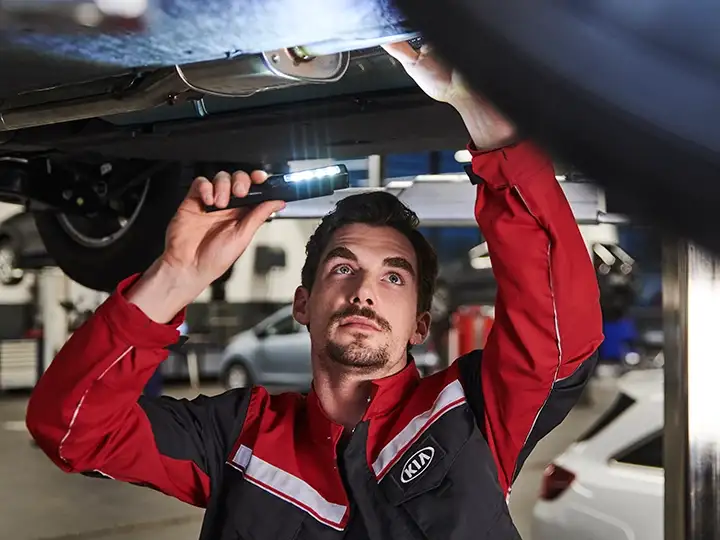
Last May, a 2023 Kia Sportage experienced complete brake failure on I-675 during rush hour after the owner skipped spring inspection. A rear brake caliper, corroded from three months of winter salt exposure, had seized completely and overheated the brake fluid to the boiling point. The resulting vapor lock eliminated braking power, causing a near-collision that was only avoided through use of the emergency brake and shoulder escape. The complete brake system rebuild cost $1,680. The spring multi-point inspection that would have identified the corroding caliper before it failed? $95.
Ohio winters create unique maintenance demands for Kia SUVs that many Beavercreek area owners underestimate. Your Sportage, Sorento, or Telluride faced three to four months of road salt exposure, freeze-thaw temperature cycles, pothole impacts, and harsh operating conditions that stress components in ways summer driving never approaches. This accumulated stress doesn’t disappear when spring arrives. Without proper inspection, winter damage progresses silently until catastrophic failures occur during the worst possible moments.
Spring multi-point inspection identifies winter damage, verifies system readiness for increased spring and summer driving, and catches developing problems before they strand you on I-675, Route 35, or during family road trips. This isn’t unnecessary dealer upselling. It’s essential safety verification after one of the most demanding automotive environments in the country.
If you’ve driven your Kia SUV through an Ohio winter, navigating salted Beavercreek roads, commuting on I-675 where salt trucks run constantly, or dealing with Dayton area freeze-thaw cycles and pothole season, your vehicle needs professional post-winter inspection. This comprehensive evaluation protects both your investment and your family’s safety.
What Multi-Point Inspection Actually Covers
Comprehensive spring multi-point inspection examines every major system affected by winter conditions, going far beyond basic oil change service.
Brake System Inspection
Brake component examination identifies salt corrosion damage before it causes failure:
- Rotor condition including surface rust, pitting, and thickness measurement
- Caliper operation and slide pin freedom of movement
- Brake pad thickness and wear pattern evaluation
- Brake hardware corrosion assessment
- Brake line rust inspection
- Parking brake cable and mechanism condition
- Brake fluid color and moisture content testing
Critical findings from brake inspection include:
- Seized or binding caliper slide pins from salt corrosion
- Deep rotor pitting requiring replacement
- Contaminated brake fluid with lowered boiling point
- Corroded brake lines at risk of failure
- Uneven pad wear indicating caliper problems
Brake system issues discovered during spring inspection typically cost $165-850 to repair depending on severity. Waiting until brakes fail can cost $1,200-2,500 in emergency repairs plus towing and potential collision damage.
“Every spring we find Kia SUVs with brake systems compromised by winter salt that owners had no idea were developing problems,” says Jennifer Martinez, Lead Technician at our Heller Dr location. “The brakes still stop the vehicle adequately, so owners assume everything is fine. But we find seized caliper pins, contaminated fluid, corroded hardware, and pitted rotors that are 1,000-2,000 miles from complete failure. The $95 inspection identifies these issues when they’re still manageable and relatively inexpensive to fix, rather than waiting for emergency situations.”
Suspension and Steering System
Suspension component inspection identifies winter damage from salt exposure and pothole impacts:
- Ball joint play and boot condition
- Tie rod end wear and boot integrity
- Control arm bushing deterioration
- Strut and shock absorber leakage or damage
- Spring condition and proper seating
- Sway bar link and bushing wear
- CV joint boot tears or grease leaks
Steering system evaluation includes:
- Power steering fluid level and condition
- Steering rack boot condition and leaks
- Steering linkage play and adjustment
- Wheel bearing noise and play testing
- Alignment indicators (uneven tire wear, pulling)
Ohio potholes combined with winter freeze-thaw cycles create suspension and steering damage that inspection identifies before components fail. Ball joint failure while driving creates loss of control and potential accidents. Tie rod end separation causes immediate steering failure. These aren’t hypothetical risks; they’re real failures we prevent through spring inspection.
Suspension and steering repairs range from $150-850 per component. Emergency roadside repairs after failures cost significantly more plus towing charges.
Tire and Wheel Assessment
Comprehensive tire evaluation examines:
- Tread depth measurement on all four tires
- Uneven wear pattern identification
- Sidewall damage from winter potholes or curb impacts
- Age verification through DOT date codes
- Tire pressure accuracy and TPMS function
- Wheel condition including bends, cracks, or damage
Alignment indicators visible through tire wear:
- Inside or outside edge wear indicates camber issues
- Feathering indicates toe misalignment
- Cupping indicates worn suspension components
- Center wear indicates overinflation
- Edge wear indicates underinflation
Tires with less than 4/32″ tread depth (quarter test: insert quarter with Washington’s head upside down; if you can see the top of his head, replace the tire) should be replaced before wet spring weather creates hydroplaning risks.
Alignment service costs $140-180 and prevents $800-1,200 in premature tire replacement from continued misalignment wear.
A nurse from Fairborn noticed slight vibration in their Sorento after hitting a pothole in February but dismissed it as minor. Spring inspection revealed a bent wheel and developing crack that could have caused sudden tire failure at highway speeds. Wheel replacement cost $280. Potential consequences of sudden tire failure at 70 MPH on I-675 are immeasurable.
Fluid Condition and Levels
All fluid inspection and testing verifies proper levels and condition:
- Engine oil level and condition
- Coolant level and concentration testing
- Brake fluid level and moisture content
- Power steering fluid level and color
- Transmission fluid level and condition (if checkable)
- Windshield washer fluid level
- Differential fluid condition (AWD models)
Fluid contamination from winter conditions:
- Brake fluid absorbs moisture, lowering boiling point
- Coolant can become acidic from temperature cycling
- Oil may show fuel contamination from short cold-weather trips
- Power steering fluid can develop moisture contamination
Fluid services identified during inspection typically cost $85-380 depending on which fluid and service required. Waiting until contaminated fluids cause component failures costs $800-3,500 in repairs.
Battery and Electrical System
Battery testing identifies batteries weakened by winter cold:
- Load test verifies cranking capacity
- Voltage testing under load
- Visual inspection for corrosion or damage
- Terminal connection quality
- Battery age verification (most last 4-5 years)
Batteries testing below 70% capacity will likely fail before next winter. Preventive replacement costs $160-220 installed. Roadside battery failure costs the same plus $75-125 towing charges.
Electrical system inspection includes:
- Alternator output testing
- Starter operation evaluation
- Light function verification (all exterior lights)
- Wiper operation and blade condition
- HVAC system function test
Undercarriage Inspection
Undercarriage examination identifies salt corrosion damage:
- Frame and unibody structure rust assessment
- Exhaust system rust and leakage
- Fuel and brake line corrosion
- CV axle and driveshaft condition
- Suspension component rust
- Underbody panel damage from snow/ice impacts
Critical rust identification separates surface rust (cosmetic) from structural rust (safety concern). Spring is the optimal time to treat developing rust before it becomes serious.
Undercarriage rust treatment costs $95-180. Waiting until rust causes component failures costs $300-2,500 depending on which components corrode through.
Climate Control System
HVAC system testing ensures cooling readiness before summer heat:
- Air conditioning cooling performance
- Refrigerant charge verification
- Compressor operation assessment
- Cabin air filter condition
- Blend door and vent operation
- Defroster effectiveness
AC service costs $145-280 for refrigerant recharge and minor leaks. Compressor replacement from neglected maintenance costs $1,200-1,800.
Cabin air filter replacement every spring removes accumulated winter debris, pollen, and mold. The filter costs $40-55 installed and dramatically improves HVAC performance and air quality.
Model-Specific Considerations
Different Kia SUV models have specific inspection focus areas based on design and typical use.
Sportage Inspection Priorities
Compact SUV specific checks for Sportage models:
- Turbocharged engine inspection on 1.6T models (boost leaks, intercooler condition)
- Dual-clutch transmission operation on DCT-equipped models
- AWD engagement testing on all-wheel-drive models
- Smaller tire size making them more vulnerable to pothole damage
The Sportage’s urban commuter usage pattern often means more frequent stops and starts, accelerating brake wear. Inspection should emphasize brake system condition.
Sorento Inspection Priorities
Mid-size SUV specific checks for Sorento models:
- Three-row seating hardware and mechanism function
- Increased payload stress on suspension components
- Larger brake system inspection for heavier vehicle weight
- Towing equipment examination if equipped with hitch
The Sorento’s family hauler role means checking child seat anchor points, rear seat belt condition, and cargo area integrity.
Telluride Inspection Priorities
Full-size SUV specific checks for Telluride models:
- Heavy vehicle weight’s impact on brakes and suspension
- Towing capability equipment inspection
- Premium tire condition (larger, more expensive tires)
- Advanced driver assistance system sensor cleaning and calibration
The Telluride’s larger size and weight accelerate brake and suspension wear. Inspection should verify these components can handle the vehicle’s mass through another year.
Common Spring Inspection Findings
Understanding typical discoveries helps you anticipate potential costs and avoid surprise.
Most common findings:
- Brake pad wear requiring replacement within 3,000-5,000 miles (30-40% of inspections)
- Underinflated tires (50-60% of inspections)
- Cabin air filter requiring replacement (40-50% of inspections)
- Battery testing marginal and requiring replacement (15-20% of inspections)
- Alignment needed from winter pothole damage (20-25% of inspections)
Serious findings requiring immediate attention:
- Seized brake calipers (5-8% of inspections)
- Ball joint excessive play (3-5% of inspections)
- Severely corroded brake lines (2-4% of inspections)
- Cracked or separated tire sidewalls (4-6% of inspections)
- Failed wheel bearings (2-3% of inspections)
The inspection identifies issues at all severity levels, allowing you to prioritize repairs based on safety and budget rather than waiting for random failures.
Post-Inspection Decision Making
After inspection, you’ll receive findings categorized by urgency.
Red (Immediate Attention Required):
- Safety-critical failures requiring repair before driving
- Components at imminent risk of failure
- Issues that could cause accidents or breakdowns
Examples: Seized brake calipers, separated ball joints, severely corroded brake lines, failed wheel bearings.
Yellow (Attention Recommended Soon):
- Developing problems not yet critical
- Components nearing end of service life
- Issues that will worsen if not addressed
Examples: Brake pads at 3-4mm, tires at 4-5/32″ tread, batteries testing 60-70% capacity, minor brake line surface rust.
Green (Monitor/Plan for Future):
- Items within acceptable range but worth monitoring
- Components showing age but still functional
- Maintenance due soon based on mileage
Examples: Engine oil due in 1,000-2,000 miles, tires at 6/32″ tread (adequate but plan replacement in 6-12 months), coolant approaching service interval.
Prioritizing repairs when budget is limited:
- Safety-critical items (brakes, steering, suspension)
- Items preventing breakdown (battery, tires with adequate tread)
- Items preventing further damage (fluid services)
- Comfort and convenience items (cabin air filter, wiper blades)
DIY Pre-Inspection Checks
Before professional inspection, you can verify several items yourself.
Owner-checkable items:
- Tire pressure (check when cold, inflate to door jamb specification)
- Visible tire damage or uneven wear
- All exterior lights function properly
- Wiper blade condition and operation
- Fluid levels visible in reservoirs (don’t open radiator cap)
- Battery terminal corrosion
- Obvious fluid leaks under vehicle after overnight parking
Items requiring professional inspection:
- Brake pad thickness and rotor condition
- Suspension component play and damage
- Alignment status
- Battery load testing
- Fluid contamination testing
- Undercarriage rust assessment
The goal isn’t to replace professional inspection but to identify obvious issues before your appointment and understand what the inspection will examine.
Seasonal Timing Considerations
Optimal spring inspection timing for Beavercreek area Kia owners falls in late March through April.
Too early (February-early March) risks additional winter damage from late-season snow events and salt applications. Ohio typically sees winter weather through mid-March.
Optimal timing (late March-April) occurs after winter weather ends but before heavy spring and summer driving begins. This allows addressing issues before they worsen or cause failures.
Too late (May-June) means winter damage has had additional months to progress. Issues that could have been repaired inexpensively in April may require more extensive (expensive) repair by June.
Schedule coordination with other services maximizes value. Many owners combine spring inspection with:
- Spring oil change (typically due March-May for most owners)
- Tire changeover from winter to all-season tires (if applicable)
- Pre-vacation preparation for summer road trips
A teacher from Centerville scheduled spring inspection in early June before a summer road trip. Inspection revealed worn brake pads and a failing water pump that had been developing since winter. Both required immediate repair before the trip. Had they inspected in April, they could have scheduled repairs at their convenience rather than as pre-trip emergency service, and potentially caught the water pump before it progressed to the point of needing replacement.
Real Cost-Benefit Analysis
Spring multi-point inspection investment:
- Comprehensive inspection: $95
- Average findings requiring immediate attention: $380
- Average findings addressed preventively: $220
- Total spring investment: $695
Cost of skipping inspection:
- Brake caliper seizure and emergency repair: $850
- Suspension component failure and towing: $580
- Water pump failure and overheating damage: $1,450
- Tire blowout from undetected damage: $680
- Potential emergency costs: $3,560 for just these common failures
Your savings with preventive spring inspection: $2,865 plus avoided safety risks, trip cancellations, and work disruptions
Beyond monetary savings, inspection provides peace of mind knowing your Kia SUV is safe and reliable for family transportation, work commuting, and upcoming road trips.
Your 30-Day Spring Inspection Action Plan
This week: Review your maintenance records and identify when you last had comprehensive inspection (not just oil change). If it’s been more than 6-12 months, spring inspection is due. Check your tire pressure on all four tires and the spare when tires are cold. Inflate to the specification on the driver’s door jamb. This takes 10 minutes and provides immediate safety improvement if tires were low. Note any symptoms you’ve observed: noises, vibrations, warning lights, changes in handling, or other concerns to discuss during inspection.
Within two weeks: Schedule spring multi-point inspection appointment at our service center. Request specific attention to winter damage, brake system condition, and any symptoms you’ve noticed. Remove unnecessary items from your vehicle to reduce weight and allow easier access for inspection. Clean the interior to make the inspection environment more pleasant for the technician (this isn’t required but is appreciated and sometimes results in more thorough inspection). Plan inspection timing around your schedule, allowing time for any needed repairs without being rushed.
By month’s end: Complete spring inspection and address any red (immediate) or yellow (soon) category findings. Create a plan for green (future) items, setting calendar reminders for when to address them. If major repairs are identified requiring budget planning, prioritize safety-critical items first and schedule others for the following month or two. Update your maintenance log with inspection findings and completed repairs. This documentation proves maintenance history for warranty purposes and increases resale value. Set a calendar reminder for fall inspection (October) to prepare for the next winter season.
Warning Signs Between Inspections
Even with spring inspection, stay alert for developing problems between service visits.
Seek immediate service for:
- Dashboard warning lights (check engine, brake, ABS, battery, etc.)
- Unusual noises (grinding, clunking, squealing, whining)
- Fluid leaks (puddles under vehicle after overnight parking)
- Pulling to one side during braking or driving
- Vibrations at highway speeds or during braking
- Steam or smoke from under the hood
- Burning smells while driving
Schedule service soon for:
- Gradual performance changes (reduced power, poor acceleration)
- Increased stopping distances
- Changes in handling or steering response
- HVAC performance reduction
- Unusual tire wear developing between inspections
The Value of Service Records
Document every inspection and repair for multiple benefits:
Warranty protection: Documented maintenance proves you’ve maintained the vehicle according to manufacturer requirements, protecting warranty coverage.
Resale value: Vehicles with complete service records sell for $1,500-3,000 more than comparable vehicles with no maintenance history.
Pattern identification: Reviewing past inspections helps identify developing issues or recurring problems deserving extra attention.
Service planning: Records show exactly when services were last performed, eliminating guesswork about what’s due.
Peace of mind: Knowing your Kia SUV has documented professional care provides confidence in its reliability.
Schedule Your Spring Multi-Point Inspection Today
That Sportage owner from the opening who experienced brake failure on I-675 learned an expensive and terrifying lesson about the value of spring inspection. After the $1,680 emergency brake system rebuild and the near-accident experience, they now schedule comprehensive spring and fall inspections religiously. Their vehicle has 62,000 miles now with zero additional safety-critical failures, and every issue identified during inspections has been addressed before causing problems.
Ohio winters create maintenance demands that spring inspection identifies before they cause failures. Your Kia SUV deserves professional evaluation after months of challenging conditions to ensure it’s ready for reliable spring and summer service.
Our certified Kia technicians at 2220 Heller Dr understand Ohio winter conditions and their impact on your Sportage, Sorento, or Telluride. We’ve developed comprehensive spring inspection procedures specifically addressing winter damage and verifying readiness for the driving season ahead.
Schedule your spring multi-point inspection today by calling our service department or booking online at Kia Of Beavercreek, 2220 Heller Dr, Beavercreek, OH 45434. We’ll thoroughly examine every system affected by winter, identify any developing problems, and ensure your Kia SUV is safe and reliable for your family.
Comprehensive spring inspection protects your investment, ensures safety, and prevents the expensive failures that result from undetected winter damage. That’s the security professional inspection delivers.

0 comment(s) so far on Spring Multi-Point Inspection for Kia SUVs