



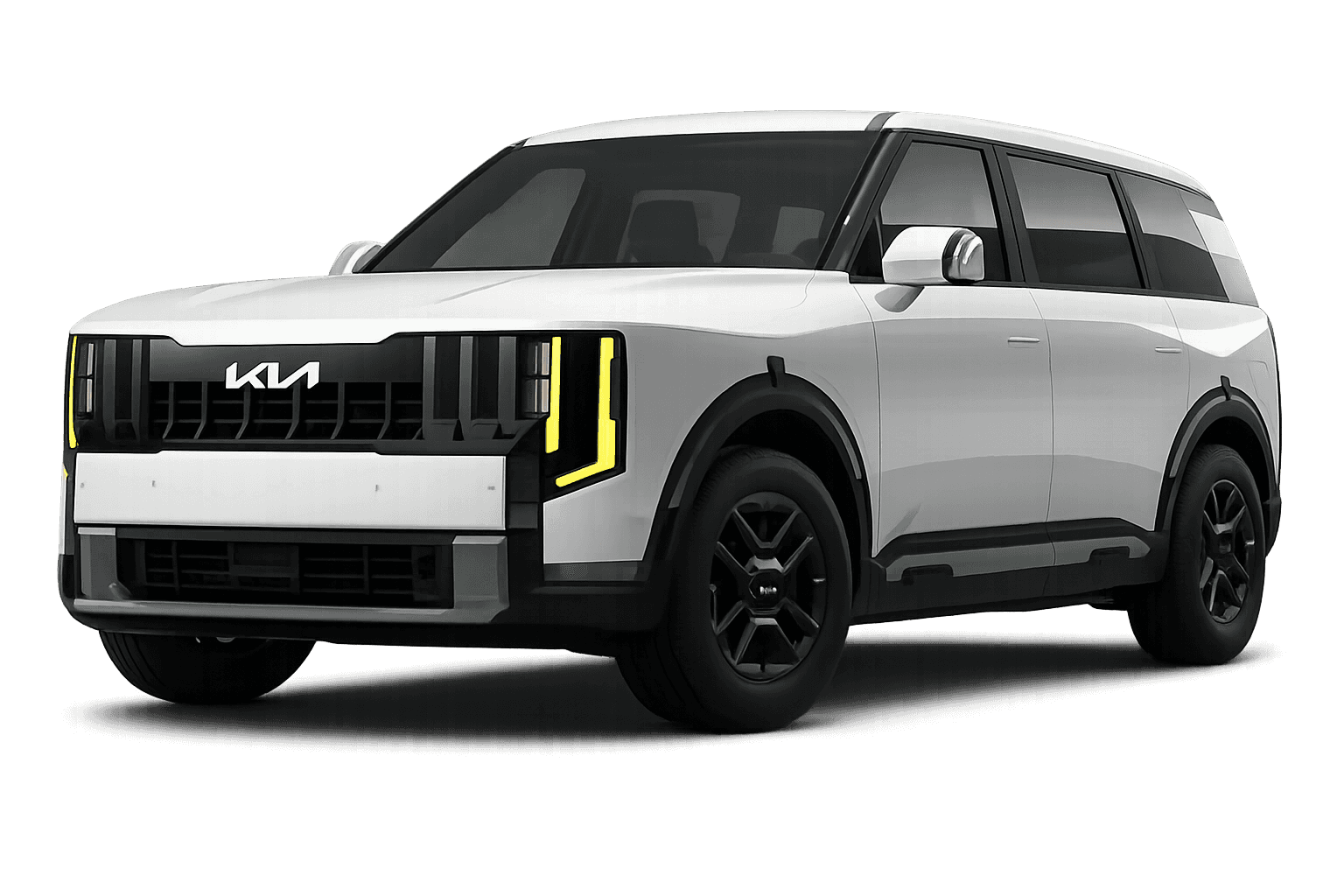
 Telluride Hybrid
Balancing Family Commutes: Servicing the New Kia Carnival Hybrid & EV9 Battery Systems in Beavercreek

Family vehicles used to mean one conversation at the service counter: oil changes, tire rotations, and the occasional brake job. A battery health check costs a fraction of what a prematurely degraded high-voltage pack costs to replace, and that gap matters more than ever now that two of Kia’s most popular family vehicles run on battery systems rather than fuel alone. The 2026 Carnival Hybrid pairs a turbocharged 1.6-liter engine with an electric motor and a lithium-ion battery for a combined 242 horsepower, while the EV9 is a fully electric three-row SUV running an 800-volt architecture with either a 76.1-kWh or 99.8-kWh battery pack depending on trim. Both vehicles ask something different of Beavercreek families than the gas-powered minivans and SUVs they’re replacing.
Understanding what each battery system actually needs, and how Dayton-area driving patterns interact with that system, helps Beavercreek Kia owners protect a meaningful investment whether they’re running school pickup loops on North Fairfield Road or commuting the I-675 corridor toward Dayton.
What the Carnival Hybrid’s Battery System Actually Does
The Carnival Hybrid doesn’t plug in. Its 1.49-kWh lithium-ion battery charges entirely through regenerative braking and engine operation, which means there’s no charging routine for owners to manage and no range anxiety to think about on a road trip to visit family outside the Beavercreek area. The hybrid system works quietly in the background, blending electric and gas power to deliver better fuel economy than the standard V6 Carnival without asking the driver to do anything differently.
That simplicity doesn’t mean the system is maintenance-free. The high-voltage traction battery and the separate 12-volt auxiliary battery that supports the vehicle’s electronics are distinct components with distinct service needs, and using the wrong replacement battery type in either position can cause charging anomalies or software errors that are frustrating to diagnose without the right diagnostic tools. A Kia-certified technician verifying battery specifications before any replacement work, rather than installing a generic part, is what keeps the hybrid system communicating correctly with the rest of the vehicle’s electronics.
The Carnival Hybrid’s regenerative braking also changes brake wear in a way that’s easy to overlook, since reduced friction brake use can mean rotors that develop light surface rust if they aren’t exercised periodically. For a family vehicle making frequent short trips around Beavercreek, that’s a detail worth having a technician check rather than assuming low mileage on the brake pads means the whole system is in perfect condition.
A practical service approach for the Carnival Hybrid includes:
- Annual hybrid battery health diagnostics, even though the system requires no plug-in charging and rarely announces problems before a routine check catches them
- 12-volt auxiliary battery verification at standard service intervals, since this separate battery affects starting reliability and electronics function independent of the hybrid traction battery
- Brake inspection that specifically checks for rotor rust and proper caliper engagement, given the reduced friction brake use that regenerative braking produces
What the EV9’s High-Voltage Battery Needs in a Dayton Climate
The EV9 is a different category of vehicle entirely. As a fully electric SUV, it depends on its battery for everything, and the size of that investment, a pack that can run nearly 100 kWh on the long-range trim, makes protecting its long-term health considerably more consequential than it is for a hybrid with a small buffer battery.
The EV9’s lithium-ion cells are happiest in a moderate temperature band close to room temperature, and the vehicle’s thermal management system actively heats or cools the pack to keep it there. Dayton’s climate brings real seasonal swings, from humid summer stretches that push the cooling system to work harder, to winter cold that the heating side of the system has to manage on every cold start. Neither extreme is a problem the EV9 wasn’t designed to handle, but a few owner habits make a meaningful difference in how gracefully the battery ages through both seasons.
Charging habits matter more than almost anything else. Leaving the EV9 sitting at a full charge for multiple days, particularly during a Dayton summer heat wave, adds more chemical stress to the cells than charging to a more moderate level for daily use and reserving a full charge for actual road trips. Parking in shade or a garage when possible reduces how hard the thermal management system has to work just to keep the pack in its comfortable range while parked.
A sensible approach for an EV9 owner driving the Beavercreek and greater Dayton area includes:
- Charging to a moderate daily level rather than 100 percent routinely, saving full charges for trips where the extra range is actually needed
- Avoiding fast-charging a battery that’s already hot immediately after a long highway drive, when the range isn’t urgently needed
- Scheduling a battery health diagnostic periodically to confirm the thermal management system and high-voltage components are performing the way Kia engineered them to, particularly heading into and out of Dayton’s most extreme seasonal stretches
- Keeping the vehicle’s software current, since Kia periodically refines battery management and charging behavior through updates
Why Both Vehicles Benefit from a Technician Who Knows the Difference
The Carnival Hybrid and EV9 represent two very different approaches to electrification, and treating them identically at service time misses what each one actually needs. The Carnival Hybrid’s small buffer battery and regenerative braking system call for periodic health checks and brake attention without any charging-habit guidance, since there’s no plug-in component to manage. The EV9’s much larger high-voltage pack calls for real attention to charging habits, thermal exposure, and the kind of diagnostic checks that protect a battery investment measured in tens of thousands of dollars rather than a few thousand.
A Kia-certified technician familiar with both systems can tell a Beavercreek family exactly what their specific vehicle needs rather than applying a one-size-fits-all hybrid or EV checklist that doesn’t account for the real differences between a buffer battery and a full traction pack.
The Kia-certified service team at Kia of Beavercreek, located at 2220 Heller Dr, Beavercreek, OH 45434, performs battery health diagnostics on both the Carnival Hybrid and EV9, with the specific knowledge each system requires. Schedule your appointment and make sure your family’s battery investment is protected through every Beavercreek season.

0 comment(s) so far on Balancing Family Commutes: Servicing the New Kia Carnival Hybrid & EV9 Battery Systems in Beavercreek