



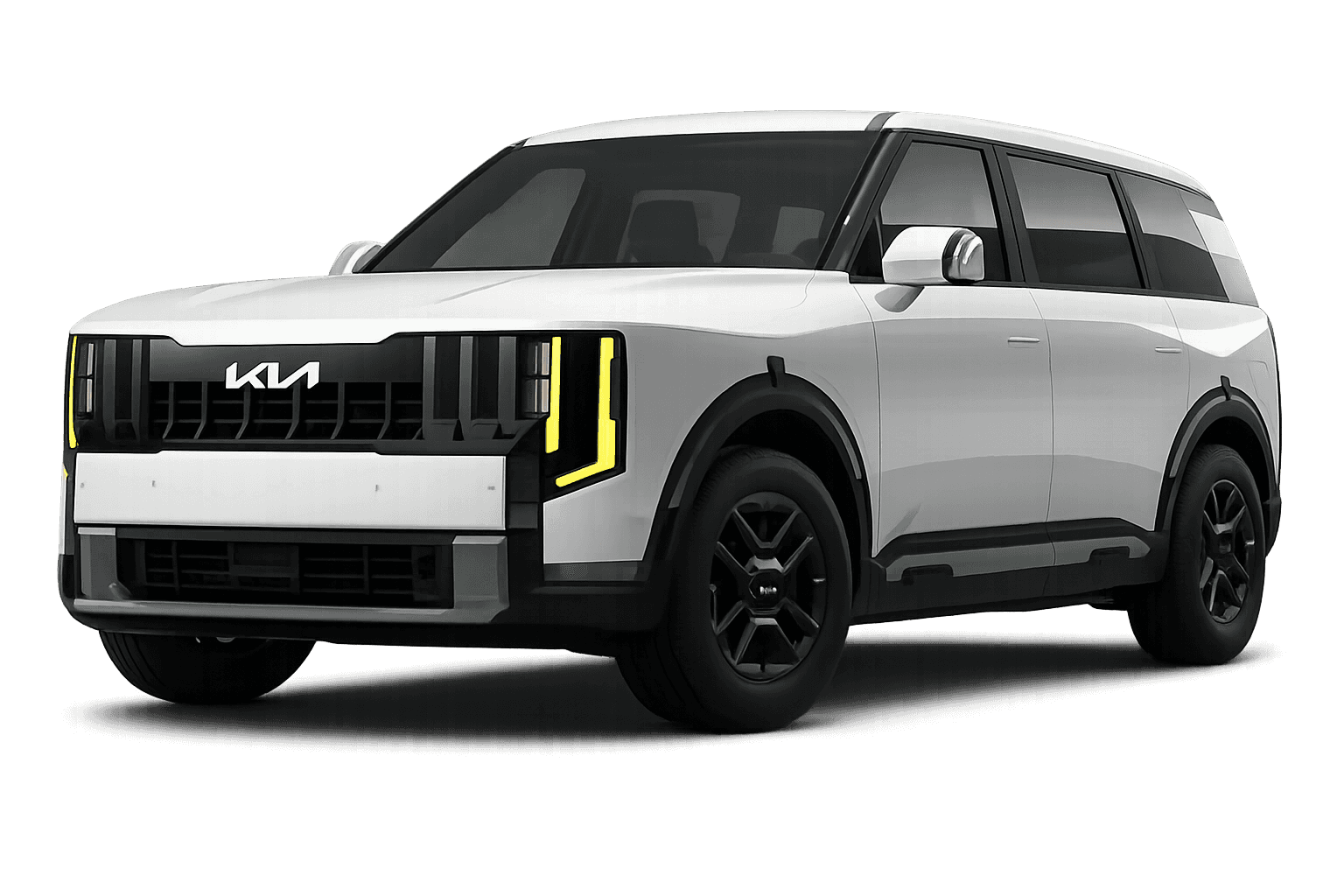
 Telluride Hybrid
Brake Service for Kia SUVs
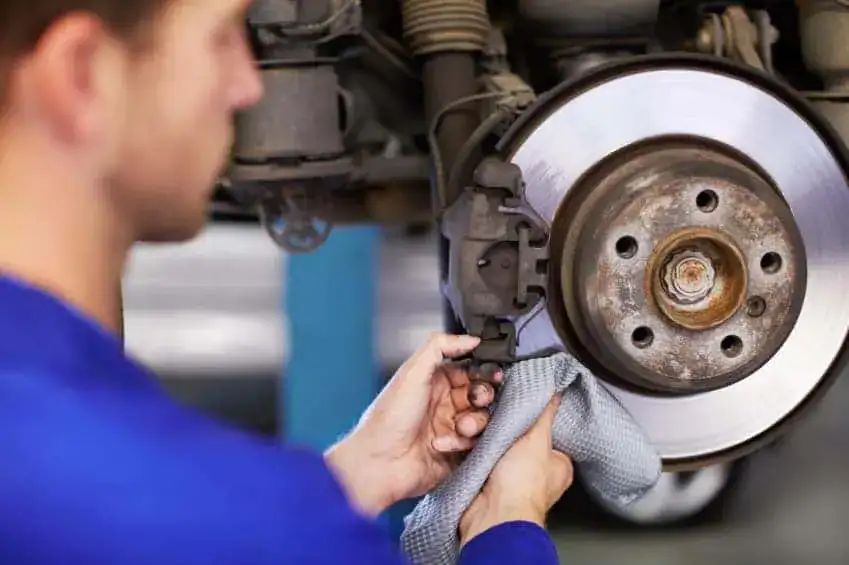
Last fall, a 2020 Kia Telluride came into our Heller Drive service center for routine maintenance when the owner casually mentioned “the brakes feel a little soft lately.” Inspection revealed brake pads worn to less than 2mm thickness—dangerously thin—and contaminated brake fluid with 4% moisture content that had lowered the boiling point to unsafe levels. The owner had ignored subtle warning signs for months, assuming “they still work fine.” The necessary service including front and rear brake pads, rotor resurfacing, and brake fluid flush cost $1,180. Had they addressed the issue when symptoms first appeared, service would have cost approximately $680 for pads and fluid only. The brake inspection that would have caught this problem early? Free with any service appointment.
Brake service represents one of the most critical maintenance items for Kia SUVs, yet many Beavercreek area owners don’t understand when service is needed, what symptoms indicate problems, or why timely brake maintenance matters for both safety and cost control. Your Kia Telluride, Sorento, Sportage, Seltos, or other SUV model depends on properly functioning brakes to safely control 3,500-5,000+ pounds of vehicle, passengers, and cargo.
Understanding brake system maintenance needs, recognizing warning signs, and scheduling timely service prevents the expensive repairs that result from deferred brake care while ensuring your family’s safety. Brake problems don’t improve over time—they progressively worsen until component failure or dangerous braking performance forces attention, usually at the worst possible time.
If you own a Kia SUV in the Beavercreek area, hear noises during braking, feel vibrations or pulling, or simply don’t know when your brakes were last serviced, understanding brake system care protects both your safety and your wallet.
Understanding Your Kia SUV Brake System
Modern Kia SUVs use sophisticated brake systems designed for the specific demands of SUV weight and usage.
Brake System Components
Brake pads create friction against rotors to slow the vehicle. Pads wear gradually and require periodic replacement—this is normal maintenance, not a defect.
Brake rotors are the metal discs the pads clamp against. Rotors wear over time and may require resurfacing or replacement depending on thickness and condition.
Brake calipers house the pistons that push pads against rotors. Calipers include slide pins that must move freely for even pad wear and proper braking.
Brake fluid transmits hydraulic pressure from the brake pedal to the calipers. Fluid absorbs moisture over time, lowering its boiling point and reducing braking effectiveness.
Brake lines carry fluid throughout the system. Steel lines and rubber hoses must remain intact and free from leaks.
How SUV Weight Affects Brakes
Kia SUV weights range dramatically:
- Seltos: approximately 3,000-3,300 pounds
- Sportage: approximately 3,400-3,900 pounds
- Sorento: approximately 3,900-4,400 pounds
- Telluride: approximately 4,100-4,500 pounds
Add passengers, cargo, and towing, and your SUV can weigh 4,500-6,000+ pounds. This mass requires significant braking force, accelerating brake component wear compared to lighter vehicles.
Heavier SUVs wear brakes faster. A Telluride typically needs front brake service at 30,000-45,000 miles versus 40,000-55,000 miles for a Seltos under similar driving conditions.
“Kia SUV owners often underestimate how vehicle weight affects brake wear,” says Jennifer Martinez, Service Advisor at our Heller Drive location. “They’re surprised when their Telluride needs brake service at 35,000 miles, thinking something is wrong. But that’s completely normal for a 4,500-pound SUV carrying a family of seven plus cargo. The brakes are doing their job—controlling substantial weight requires brake material sacrificing itself through friction. Understanding normal wear patterns helps owners budget appropriately and recognize when service is actually needed.”
When Brake Service Is Needed
Brake service timing depends on pad thickness, rotor condition, fluid condition, and symptoms.
Pad Thickness Inspection
Brake pads start at approximately 12mm thickness when new. They should be replaced when they reach 3-4mm remaining to prevent damage to rotors and ensure adequate braking.
Why 3-4mm matters: Below this thickness, the pad backing can contact the rotor, causing damage requiring rotor replacement (significantly more expensive than pad replacement alone). The remaining material also provides insufficient friction for safe braking.
Inspection frequency: Have brake pads measured at every tire rotation (typically every 6,000-8,000 miles) to track wear rates and predict when service will be needed.
Typical Service Intervals by Model
Seltos:
- Front pads: 40,000-55,000 miles
- Rear pads: 60,000-80,000 miles
Sportage:
- Front pads: 35,000-50,000 miles
- Rear pads: 55,000-75,000 miles
Sorento:
- Front pads: 32,000-48,000 miles
- Rear pads: 50,000-70,000 miles
Telluride:
- Front pads: 30,000-45,000 miles
- Rear pads: 45,000-65,000 miles
These ranges vary based on driving habits, terrain, and whether you regularly carry heavy loads or tow.
Brake Fluid Service
Brake fluid should be replaced every 24,000 miles or 24 months regardless of pad condition. Fluid absorbs moisture from the air over time, lowering its boiling point.
Why this matters: Fresh DOT 3 or DOT 4 brake fluid boils at approximately 450 degrees Fahrenheit. After two years, moisture content can lower the boiling point to 300-320 degrees. During hard braking (mountain descents, emergency stops, repeated stops with a loaded vehicle), brake temperatures can exceed 300 degrees, causing contaminated fluid to boil.
Boiling brake fluid creates vapor pockets in the lines. Unlike liquid, vapor compresses, causing a soft or spongy brake pedal and dramatically reduced braking power—potentially causing brake failure.
Service cost: $165-195 for complete brake fluid flush and replacement
Symptoms Requiring Immediate Inspection
Squealing or squeaking: High-pitched noise during braking often indicates wear indicators contacting the rotor—the pads are telling you they need replacement soon.
Grinding: Metal-on-metal grinding means pads are completely worn and metal backing plates are damaging rotors. This requires immediate service before further damage occurs.
Pulsation: Vibration through the brake pedal during braking suggests warped rotors requiring resurfacing or replacement.
Pulling: Vehicle pulling to one side during braking indicates uneven brake force, possibly from seized caliper or contaminated pad on one side.
Soft or spongy pedal: Pedal that feels soft or travels farther than normal suggests air in the system, fluid leak, or severely contaminated fluid.
Dashboard warning light: Illuminated brake warning light indicates low fluid level (suggesting worn pads or leaks) or other brake system problem requiring immediate diagnosis.
A nurse from Fairborn ignored grinding noises from their Sorento for “just a few more weeks” until they had time to schedule service. When they finally brought it in, the completely worn pads had damaged both front rotors beyond resurfacing. Service cost $850 for pads and rotors versus $480 if they’d addressed it when squealing first started. The “few more weeks” cost an extra $370 plus the safety risk of compromised braking.
Complete Brake Service Explained
Understanding what comprehensive brake service includes helps you evaluate service recommendations.
Brake Pad Replacement
Quality matters significantly. OEM-quality pads from Kia or premium aftermarket pads provide proper friction characteristics, quiet operation, and appropriate wear rates. Cheap discount pads may squeal, wear quickly, or provide inadequate stopping power.
Proper installation includes cleaning and lubricating caliper slide pins, cleaning caliper mounting surfaces, and ensuring hardware moves freely. Simply slapping on new pads without proper preparation causes uneven wear and premature failure.
Break-in period: New pads require 200-300 miles of moderate braking to properly mate with rotors. Avoid hard braking during break-in unless absolutely necessary.
Rotor Service
Rotor measurement verifies thickness remains above minimum specifications. Rotors wear gradually, and excessively thin rotors must be replaced.
Resurfacing (turning) removes surface imperfections and creates a smooth, flat surface for pads. Resurfacing costs $80-120 for both rotors on an axle versus $280-420 for replacement, making it cost-effective when rotors have adequate thickness remaining.
Replacement becomes necessary when rotors are too thin for resurfacing, severely warped, or showing deep grooves or heat damage.
Caliper Service
Slide pin cleaning and lubrication ensures calipers move freely, applying even pressure to both sides of the rotor. Seized slide pins cause uneven pad wear (one pad wears significantly faster than its partner) and reduced braking effectiveness.
Caliper rebuild or replacement becomes necessary if pistons are seized, leaking, or corroded beyond cleaning. Caliper replacement costs $280-420 per caliper depending on model.
Hardware Replacement
Brake hardware includes springs, clips, and shims that ensure proper pad movement and quiet operation. This hardware corrodes over time and should be replaced during pad service.
Cost: Typically $25-45 per axle, included in quality brake service
Brake Service Costs by Kia SUV Model
Understanding typical costs helps with budgeting.
Seltos:
- Front brake service (pads, resurface rotors): $420-580
- Front brake service (pads, new rotors): $620-820
- Rear brake service (pads, resurface rotors): $380-520
- Rear brake service (pads, new rotors): $550-720
Sportage:
- Front brake service (pads, resurface rotors): $480-640
- Front brake service (pads, new rotors): $680-880
- Rear brake service (pads, resurface rotors): $420-560
- Rear brake service (pads, new rotors): $580-780
Sorento:
- Front brake service (pads, resurface rotors): $520-680
- Front brake service (pads, new rotors): $720-920
- Rear brake service (pads, resurface rotors): $450-600
- Rear brake service (pads, new rotors): $620-820
Telluride:
- Front brake service (pads, resurface rotors): $580-780
- Front brake service (pads, new rotors): $780-980
- Rear brake service (pads, resurface rotors): $480-640
- Rear brake service (pads, new rotors): $650-850
These ranges include quality parts and proper service. Significantly lower prices often indicate cheap parts or shortcuts in service procedures.
Driving Habits That Extend Brake Life
Certain driving techniques significantly reduce brake wear.
Anticipate Stops
Look ahead and begin slowing earlier using gentle brake application rather than waiting until the last moment and braking hard. Gradual deceleration from greater distance creates less heat and wear than aggressive last-second stops.
Use Engine Braking
Downshift when descending hills to use engine compression for speed control rather than riding the brakes. This is particularly important when descending Ohio’s hilly terrain with a loaded SUV.
Modern automatics with manual mode or sport mode allow selecting lower gears for effective engine braking.
Avoid Riding the Brake
Resting your foot on the brake pedal while driving creates constant light contact between pads and rotors, accelerating wear and generating unnecessary heat. Keep your foot off the brake until you actually need to slow down.
Reduce Weight
Unnecessary cargo increases braking demands. While Kia SUVs are designed for hauling, removing unused roof racks, cargo carriers, and heavy items you’re not currently using reduces weight and extends brake life.
Ohio-Specific Brake Considerations
Operating in Ohio creates unique brake maintenance needs.
Winter Salt Exposure
Road salt corrodes brake components including calipers, slide pins, and brake lines. Annual brake system cleaning removes salt accumulation and prevents corrosion-related problems.
Post-winter brake inspection (March-April) identifies salt damage before it causes failures. Service costs $85-120 for cleaning and inspection.
Freeze-Thaw Pothole Season
Pothole impacts can damage brake components including rotors and wheel bearings. After hitting significant potholes, have brakes inspected for damage.
Hilly Terrain
Southeastern Ohio’s hills create sustained brake use during descents. Use proper downshifting and engine braking to prevent brake overheating and accelerated wear.
When to Seek Immediate Service
Certain symptoms require immediate professional attention rather than waiting for scheduled maintenance.
Brake warning light illuminated: Indicates low fluid level or brake system problem requiring diagnosis
Soft or spongy pedal: Suggests air in system or fluid leak—severe safety concern
Grinding noises: Metal-on-metal contact causing rotor damage
Severe pulling: Vehicle pulling dramatically to one side suggests seized caliper or major brake system problem
Pedal going to floor: Indicates severe problem requiring immediate attention—do not drive the vehicle
Your Brake Maintenance Schedule
Every 6,000-8,000 miles (with tire rotation): Visual brake inspection, pad thickness measurement, rotor condition assessment
Every 24,000 miles or 24 months: Brake fluid replacement
As indicated by inspection: Brake pad and rotor service when pads reach 3-4mm remaining thickness
Annually: Comprehensive brake system inspection including calipers, lines, and hardware
After winter (March-April): Post-salt season brake cleaning and inspection
Schedule Your Brake Service Today
That Telluride owner who ignored subtle brake symptoms learned an expensive lesson about timely brake maintenance. By waiting until grinding noises developed, they turned a $680 service into a $1,180 repair. They now have their brakes inspected at every tire rotation and address issues as soon as recommended rather than waiting for complete failure.
Your Kia SUV’s brake system protects your family’s safety every time you drive. Proper maintenance ensures brakes function effectively while controlling costs by addressing wear before it causes damage to additional components.
Our certified Kia technicians at 2220 Heller Drive have the training, tools, and genuine Kia parts to properly service your SUV’s brake system. We perform thorough inspections, provide honest service recommendations, and complete quality brake service ensuring your safety.
Schedule your Kia SUV brake inspection or service today by calling our service department or booking online at Kia Of Beavercreek, 2220 Heller Dr, Beavercreek, OH 45434. We’ll inspect your brake system thoroughly, provide transparent recommendations, and complete any needed service properly.
Proper brake maintenance protects your family’s safety while controlling costs through timely service. That’s the security professional brake care delivers.

0 comment(s) so far on Brake Service for Kia SUVs