



 Telluride Hybrid
Defending Your Kia’s Paint and Underbody from Harsh Beavercreek Road Salt Corrosion
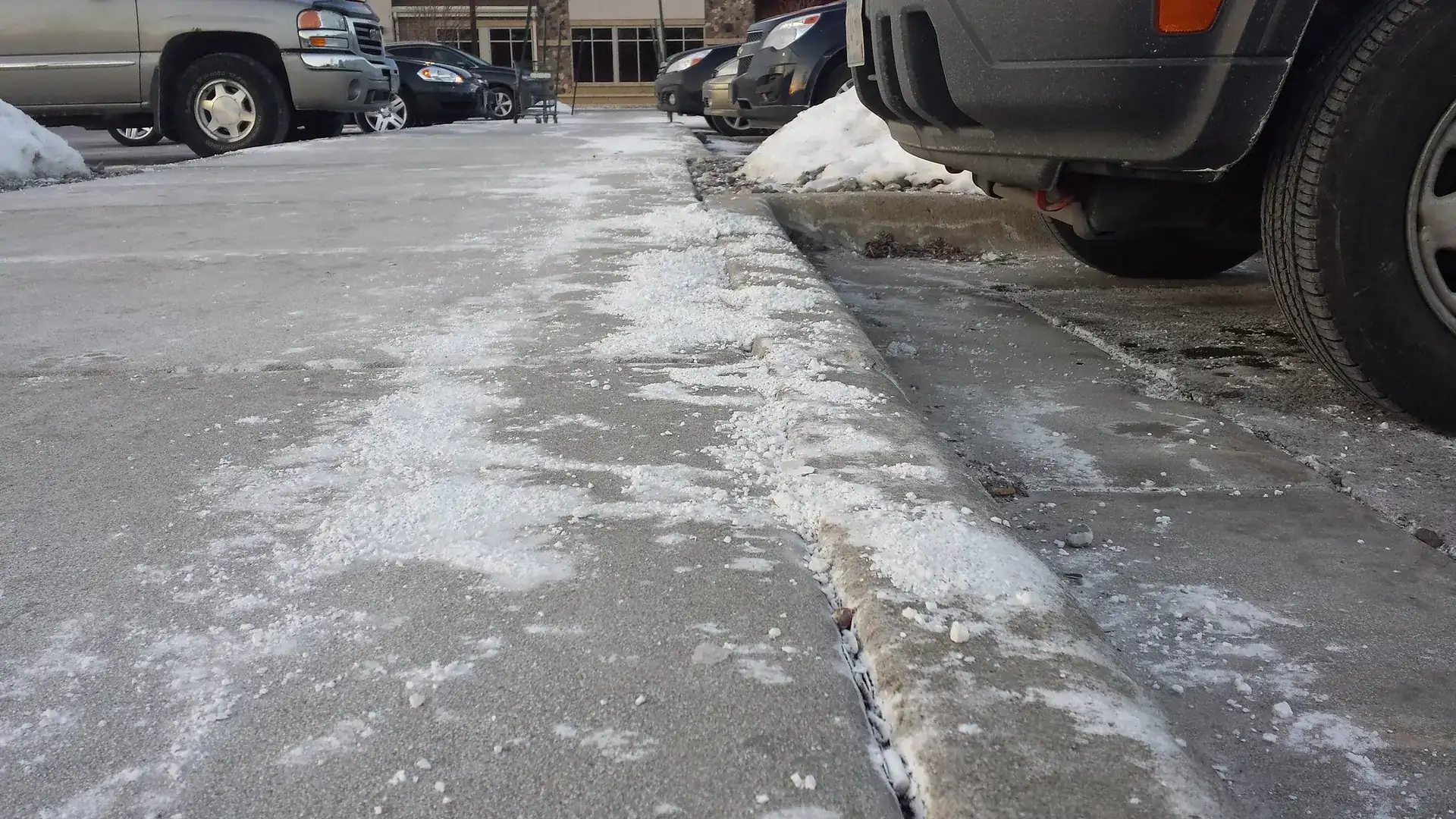
Beavercreek’s Public Service Division begins treating roads with salt brine solution up to 72 hours before a winter storm arrives. Greene County operates its own fleet of treatment trucks running a salt and liquid deicer combination across county roads throughout the season. By the time a Beavercreek Kia owner has made a few weeks of normal winter commutes along Dayton-Xenia Road, North Fairfield Road, or US-35, the vehicle’s paint edges, wheel wells, underbody frame rails, and brake lines have been exposed to sustained chemical contact that road wash alone will not fully remove. The consequence of letting that accumulation sit through a full Ohio winter is corrosion that works from the outside in on paint surfaces and from the inside out on metal components, and by spring the damage is already in progress whether or not it’s visible yet.
Understanding what the specific chemistry of modern road treatments does to a Kia’s exterior and underbody, which components are most vulnerable, and what a practical seasonal protection routine looks like gives Beavercreek Kia owners a concrete plan to protect a vehicle they rely on through every Ohio winter.
What Beavercreek’s Road Treatments Actually Put on Your Vehicle
The salt brine that Beavercreek applies as a pretreatment is a sodium chloride and water solution mixed at approximately 23 percent salt concentration. It is sprayed directly onto pavement before a storm event, which means it is already present on road surfaces before the first vehicle tires begin distributing it into wheel wells and undercarriage cavities. Greene County’s treatment program adds BEET HEET, an organic-based liquid deicer blended with the salt mixture to improve effectiveness at lower temperatures and extend the treatment’s residual period on pavement.
The corrosion inhibitor in the Greene County blend reduces the treatment’s corrosive effect on road infrastructure, but the solution is still chemically aggressive when it contacts vehicle surfaces continuously across a season of winter driving. Sodium chloride accelerates the electrochemical oxidation process on bare and compromised metal surfaces by acting as an electrolyte that keeps moisture in contact with metal even after the visible water has evaporated. The salt residue left behind after a treated road dries continues to draw atmospheric moisture back to vehicle surfaces, which means corrosion is not limited to wet driving days but continues through dry periods as long as the residue remains.
Where Corrosion Concentrates on a Kia
Road salt and brine do not affect a vehicle uniformly. Certain surfaces and components concentrate the exposure in ways that produce damage faster than the overall corrosion picture would suggest.
Paint edges and stone chip areas are among the first surfaces where visible damage appears. The leading edges of the hood, the lower door panels, the rocker panels, and the front bumper fascia receive the highest spray impact from tire rotation on treated roads. Any existing stone chip or paint scratch that has broken through the clear coat and primer to bare metal provides an entry point where salt contact begins converting the exposed metal to iron oxide immediately. Rust that originates at a chip spreads laterally beneath the paint surface, producing the paint bubbling that precedes visible rust blistering.
Kia’s factory paint warranty covers non-impact paint defects, including cracking, chipping, fading, and flaking, for the first 36 months or 36,000 miles. The anti-perforation warranty extends to 5 years or 100,000 miles for rust-through originating from manufacturing defects. Critically, both coverages exclude damage caused by external factors including road salt, environmental conditions, and inadequate maintenance. Prompt attention to stone chips and paint damage is not optional maintenance for warranty purposes; it is what keeps the coverage intact.
Underbody frame rails, crossmembers, and suspension components sit in the most direct path of road spray and accumulate the heaviest salt loading of any part of the vehicle. These components are typically coated from the factory, but the coating develops micro-cracks from road impacts, pothole strikes along Beavercreek’s residential streets after a hard winter, and normal thermal cycling. Once moisture and salt reach bare metal through those micro-cracks, corrosion begins inside the cavity where it is invisible until it has progressed significantly.
Brake lines and fuel lines run along the underbody and are among the most safety-critical components affected by salt corrosion. Steel brake lines in particular are vulnerable because they are thin-walled, carry hydraulic fluid under pressure, and run in exposed positions along the frame where salt spray reaches them from multiple directions. A brake line that has developed internal corrosion can fail without warning under hard braking, a risk that makes annual underbody inspection after salt season a genuine safety measure rather than cosmetic maintenance.
Wheel wells collect and retain salt-laden slush in a way that the more open underbody areas do not. Salt that packs into the upper wheel well liner and the inner fender structure contacts the surrounding sheet metal through freeze-thaw cycles across the entire Ohio winter, and that portion of the body structure is particularly prone to developing perforation-stage corrosion in high-mileage Ohio vehicles that have not had consistent winter washing performed.
The Washing Interval That Actually Protects
The most effective and lowest-cost protection against road salt damage is consistent, timely washing that removes brine and salt residue before it completes its corrosion cycle on paint and metal surfaces. The practical guidance for Beavercreek Kia owners during active salt season is a wash every ten to fourteen days, with specific attention to:
- Undercarriage spray that reaches wheel wells and frame cavities; automatic tunnel washes with underbody spray options address this more effectively than hand washing alone, since the undercarriage areas where salt accumulates most are not reachable by hand
- Wheel well cleaning that removes packed slush and salt residue from the inner fender liner and surrounding sheet metal, not just the visible outer wheel area
- Door jambs, lower body panel seams, and the areas behind front and rear bumpers, where salt collects in recesses that standard washing does not always reach
Water temperature and ambient temperature both affect washing effectiveness. Washing in temperatures below 32 degrees Fahrenheit risks water freezing in door seals and lock mechanisms before it drains, which is counterproductive. A wash performed when temperatures are above 40 degrees Fahrenheit gives water adequate time to drain and dry before the next freeze cycle.
After a significant snowfall that required heavy road treatment or a period of several days without washing during active salt application, an additional wash regardless of the regular interval is worthwhile. The brine pretreatment that Beavercreek applies before storm events means that salt is on road surfaces and vehicle undercarriages before conditions look severe enough to justify concern.
Paint Protection That Reduces Salt Adhesion
A maintained wax or paint sealant layer on exterior surfaces provides a meaningful barrier between road salt spray and the paint system beneath it. Salt adheres to bare or lightly contaminated paint surfaces more aggressively than to a well-maintained wax layer, and a vehicle with current wax coverage sheds salt-laden water more completely during washing than an unprotected surface does.
The practical schedule for paint protection in a Beavercreek winter includes a thorough wash and wax application before salt season begins, typically in October or early November, and a renewed application in early spring once road treatments have ended for the season. Between those applications, a spray detailer or paint sealant refresh after each major wash helps maintain the barrier without requiring a full wax application every two weeks.
Stone chip repair belongs on the same pre-season checklist as waxing. A chip that reaches bare metal going into a Beavercreek winter is an actively developing rust site by February. Touch-up paint applied before salt season seals the exposed metal and prevents the lateral spread under the paint surface that produces bubbling and eventual perforation.
Post-Winter Inspection: What to Look For in Spring
When Greene County and Beavercreek road treatment programs wind down in late March or early April, a thorough post-winter inspection documents the season’s effect on the vehicle before corrosion has additional warm-weather months to develop:
- Underbody inspection for coating damage, surface rust development on frame rails and crossmembers, and any visible brake or fuel line corrosion
- Wheel well inspection for sheet metal condition at the inner fender and the areas where the liner meets surrounding body structure
- Paint edge and lower panel inspection for bubbling, lifting, or rust bleeding that indicates salt has reached bare metal beneath the surface
- Brake system inspection that includes a visual check of brake line condition along the full underbody run, not just the caliper and rotor components visible at each wheel
A Kia-certified technician performing this inspection has the lift access and familiarity with Kia’s specific underbody geometry to assess areas that are not visible from street level. Identifying developing corrosion in April, when it is surface-level, costs significantly less to address than the same corrosion found in October after a second winter has progressed it further.
The Kia-certified service team at Kia of Beavercreek, located at 2220 Heller Dr, Beavercreek, OH 45434, performs post-winter underbody inspections, brake line assessments, and paint condition evaluations to identify salt corrosion damage before it advances. Schedule your spring inspection and protect your Kia from what Ohio’s roads leave behind.

0 comment(s) so far on Defending Your Kia’s Paint and Underbody from Harsh Beavercreek Road Salt Corrosion