



 Telluride Hybrid
Kia Drive Wise Calibration: Ensuring Your Sorento’s Lane Keeping Assist is Ready for I-675 Traffic.
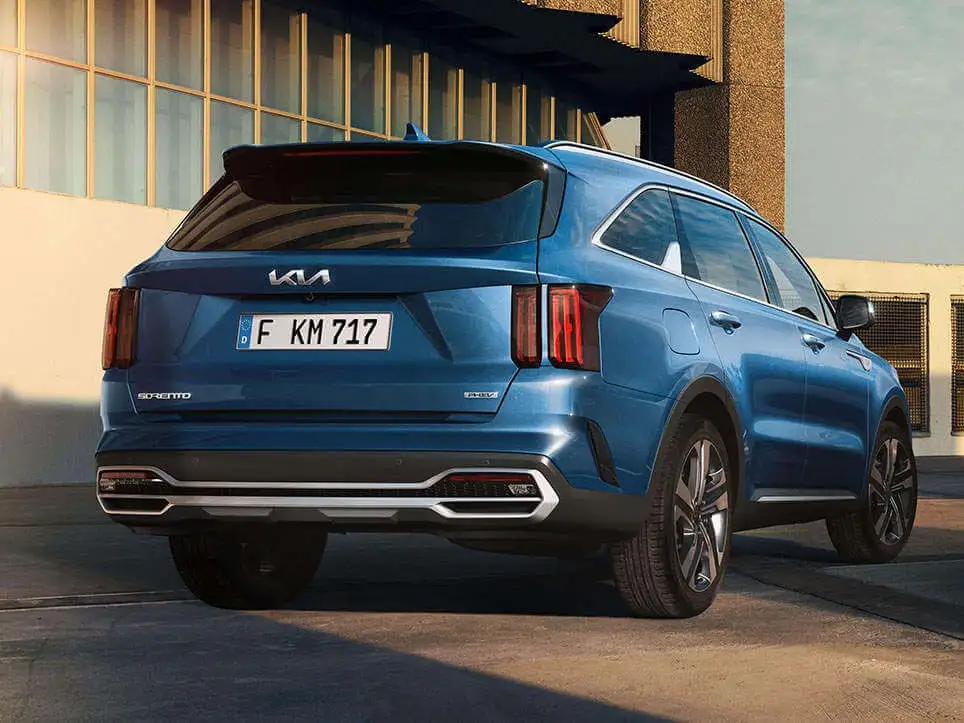
Last March, a 2022 Kia Sorento came into our service bay after its owner had a small stone chip repaired on his windshield at a quick-service glass shop near Fairborn. The technician there had not mentioned that windshield work on vehicles with forward-facing cameras requires a Drive Wise recalibration afterward. He drove another 4,800 miles on I-675 and US-35 assuming his Lane Keeping Assist was functioning normally. When we scanned the system, the camera was misaligned by nearly three degrees, enough to cause late or incorrect lane departure warnings at highway speeds. A proper recalibration at the time of the windshield repair would have cost $175. The diagnostic, recalibration, and correction of a resulting alignment issue ran $640.
Stories like that are becoming more common as advanced driver assistance systems, collectively called ADAS, become standard on nearly every new Kia leaving the lot. The Sorento’s Drive Wise suite is genuinely impressive technology, and Lane Keeping Assist in particular is one of the features owners come to rely on quickly, especially on longer highway stretches between Beavercreek, Dayton, and Springfield. The problem is that relying on a system that has quietly drifted out of calibration is not the same as having a system that actually works.
Drive Wise features are only as good as the sensors and cameras feeding them information. In the Miami Valley, where road construction on I-675 is a near-permanent fixture and winter weather brings its own complications, there are more opportunities for calibration to be disrupted than most Sorento owners realize. This guide walks through how Lane Keeping Assist actually functions, what knocks it out of calibration, how to recognize when something is off, and why getting it right matters at highway speeds.
How Kia’s Lane Keeping Assist Actually Works
The Camera at the Center of Everything
Lane Keeping Assist in the Sorento relies primarily on a forward-facing camera mounted at the top of the windshield, near the rearview mirror. That camera continuously reads the lane markings on the road ahead and feeds that data to the Drive Wise control module, which monitors your vehicle’s position within the lane. If the system detects an unintended drift toward a lane boundary without a turn signal activated, it generates a visual and audible warning and can apply a gentle corrective steering input depending on your Drive Wise settings.
The entire system depends on that camera having an accurate, stable view of the road. The camera is calibrated to a precise angle during manufacturing, accounting for the windshield’s rake, the camera mount position, and the vehicle’s ride height. When any of those variables change, even slightly, the system’s ability to accurately interpret lane position degrades.
Static vs. Dynamic Calibration
There are two types of recalibration your Sorento’s ADAS camera may require depending on the situation. Static calibration is performed in a controlled environment, typically a service bay, using specialized target boards placed at precise distances and angles in front of the vehicle. Dynamic calibration is performed while driving at specific speeds on roads with clear lane markings, allowing the system to self-correct using real-world reference points. Some recalibration scenarios require both methods in sequence.
This is important context for Sorento owners because it explains why a windshield shop that does not have ADAS calibration equipment simply cannot complete the job correctly. Static calibration requires manufacturer-specified targets and software. Without them, the camera may appear to be working normally while operating on incorrect reference data.
What Knocks Drive Wise Out of Calibration
The Events Most Owners Don’t Think About
The list of events that can disrupt camera calibration is longer than most drivers expect, and several of them are routine enough to be easy to overlook. Windshield replacement is the most common trigger, but even a chip repair in the area near the camera mount can shift the glass enough to affect calibration. Suspension work, including strut replacement or alignment corrections after hitting a pothole on OH-444 or the I-675 construction zones near Colonel Glenn Highway, changes the vehicle’s ride height and pitch angle relative to the road. That shift is small in absolute terms but meaningful to a system measuring lane position in inches.
Minor front-end collisions, even those that appear cosmetically insignificant, can move the camera mount or alter the windshield’s position enough to require recalibration. Bumper repairs, hood replacements, and any work near the front of the vehicle that involves removing and reinstalling components are all potential calibration events.
Ohio Road Conditions as a Contributing Factor
The Miami Valley’s road surfaces create specific challenges for camera-based ADAS systems. I-675 through Beavercreek and the interchange areas near the Mall at Fairfield Commons see heavy construction traffic that leaves inconsistent lane marking conditions, temporary paint, and sections where markings are partially worn or covered. Lane Keeping Assist cameras are calibrated for standard lane marking contrast and width. When the road surface presents ambiguous or faded markings, a system that is already slightly miscalibrated may perform erratically rather than simply disengaging.
Winter brings an additional layer of complexity. Road salt and brine residue accumulate on the windshield in the camera’s field of view, and Ohio’s freeze-thaw conditions along the I-675 and US-35 corridors mean that film builds up and clears repeatedly throughout the season. A dirty or film-coated windshield in the camera zone is one of the most common causes of intermittent Drive Wise behavior that owners attribute to system glitches rather than a maintenance issue.
A Sorento owner from Centerville came to us last January after her Lane Keeping Assist had been behaving inconsistently for several weeks on her commute along I-675 toward the Dayton Mall area. She assumed the system was struggling with winter road conditions and had been ignoring a subtle steering pull that developed after she hit a significant pothole near the OH-35 interchange in December. When we inspected the vehicle, the front passenger strut was damaged and the camera calibration was off. The strut replacement and recalibration together ran $890. The alignment and recalibration alone, if she had come in immediately after the pothole, would have been $310.
Warning Signs Your Lane Keeping Assist Needs Attention
Recognizing when Drive Wise is not functioning correctly requires paying attention to how the system behaves, not just whether warning lights appear. A miscalibrated system often appears to be working while performing unreliably, which is in some ways more dangerous than a system that fails completely and announces it.
- Lane departure warnings triggering in the center of a clear lane. If LKA is alerting you when you are well within your lane on a straight section of highway, the camera’s reference point is off.
- No warnings or steering correction when you genuinely drift. A system that has stopped responding to real lane departures has either disabled itself or lost calibration reference.
- Steering corrections that feel abrupt or pull in the wrong direction. Miscalibrated cameras can cause the system to apply steering input based on incorrect lane position data.
- Drive Wise warning light illuminated on the cluster. Any persistent ADAS warning light requires a diagnostic scan, not just a reset.
- System disabling itself repeatedly after manual re-engagement. If LKA turns itself off after you switch it back on, the control module is detecting a fault condition.
- Inconsistent behavior between straight roads and gentle curves. Cameras that are slightly off-angle often perform acceptably on straightaways but lose accuracy in curves, which is precisely where lane keeping matters most.
- Blurry, fogged, or streaked camera view if your system displays it. Any obstruction in the camera’s field of view compromises system accuracy regardless of calibration status.
If any of these behaviors sound familiar, the right response is a professional diagnostic scan rather than adjusting your Drive Wise sensitivity settings and hoping it improves.
Why Proper Calibration Matters More at I-675 Speeds
Highway Speeds Leave No Margin for Error
At 65 miles per hour, your Sorento travels approximately 95 feet per second. Lane Keeping Assist is designed to detect drift and respond within a reaction window that assumes the camera data is accurate. A camera that is misaligned by even two or three degrees is reading lane position from a slightly incorrect reference point, which translates to a system that may warn late, correct in the wrong direction, or fail to respond at all.
On a familiar local road at 35 miles per hour, this margin of error may be manageable. On I-675 during heavy traffic between the Dayton area and Springfield, or during a lane change near the Colonel Glenn interchange, that same margin becomes genuinely consequential. Drive Wise is designed to be a safety net. A miscalibrated system removes that net while leaving the driver unaware it is gone.
The True Cost of Skipping Recalibration
What skipping recalibration after a windshield or suspension event costs:
- Diagnostic scan to identify calibration fault: $120 – $150
- ADAS recalibration after delayed identification: $175 – $350
- Correction of secondary issues that developed during miscalibrated operation: $200 – $400
- Total if deferred: $495 – $900
What recalibrating at the time of the triggering event costs:
- ADAS recalibration performed alongside windshield or suspension work: $175 – $250
- Smart total: $175 – $250
Your potential savings from recalibrating at the right time: $320 – $650.
“The mistake we see constantly is owners assuming that if the Drive Wise light is not on, the system is fine,” says Jennifer Castillo, Kia-Certified ADAS Technician at the Heller Drive location. “A camera can be off enough to compromise Lane Keeping Assist performance without triggering a fault code that turns on a warning light. If you have had windshield work done anywhere other than a facility with ADAS calibration equipment, come in and let us verify it. That check takes less than an hour and gives you real confidence instead of assumed confidence.”
Getting ahead of calibration issues before they affect your driving is the straightforward move. If you have had any windshield work, suspension repairs, or front-end work done in the past year and have not had an ADAS verification performed, that is worth addressing before it becomes relevant at highway speed.
Your 30-Day Drive Wise Calibration Check
This week: Test your Lane Keeping Assist deliberately. On a familiar, lightly traveled road with clear lane markings, activate LKA and pay close attention to how and when the system responds. Note whether warnings feel appropriately timed, whether steering corrections feel natural and proportional, and whether the system stays engaged consistently. Any behavior that feels different from when the vehicle was new is worth documenting and mentioning at your next service visit.
Within two weeks: Clean the windshield camera zone thoroughly. Using a clean microfiber cloth and glass cleaner, pay specific attention to the area of the windshield directly in front of the forward camera, typically the top center behind the rearview mirror. Salt film, wiper residue, and road grime accumulate in this zone and directly affect camera performance. This takes five minutes and can resolve intermittent Drive Wise behavior that has nothing to do with calibration.
By month’s end: Schedule an ADAS verification if any triggering events have occurred. If your Sorento has had windshield work, suspension repairs, an alignment, or any front-end work in the past twelve months without a subsequent ADAS recalibration, book a Drive Wise diagnostic at Kia of Beavercreek. Our certified technicians will verify camera alignment, check sensor function across the Drive Wise suite, and confirm everything is operating to Kia’s factory specifications before you need it at I-675 speeds.
These three steps take less than an hour of your time but ensure the safety system you rely on daily is actually doing its job.
Taking Drive Wise Seriously in the Miami Valley
The Sorento owner from the opening came back to us six months after that repair and has made ADAS verification a standing part of his service routine. Any time he has glass work or suspension service done anywhere, he schedules a calibration check. It has cost him $175 twice since then. He considers it the most straightforward part of owning a vehicle with advanced safety technology.
Lane Keeping Assist and the broader Drive Wise suite are among the most meaningful safety features on the Sorento, and they work exactly as designed when they are properly maintained. In the Miami Valley, where I-675 construction, pothole season, and Ohio winters create more calibration disruption events than most markets, staying on top of ADAS health is simply part of responsible ownership.
When you are ready to verify your Drive Wise system, the service team at Kia of Beavercreek, located at 2220 Heller Dr, Beavercreek, OH 45434, can run a full ADAS diagnostic and recalibration using Kia-certified equipment. Scheduling is available online or through the service department. A properly calibrated Sorento is a Sorento that actually has your back when it counts. 🛡️

0 comment(s) so far on Kia Drive Wise Calibration: Ensuring Your Sorento’s Lane Keeping Assist is Ready for I-675 Traffic.