


Erasing the Speed Bump Stress: Checking Suspension After Shopping Trips at The Greene
Last month, a Kia Sorento came into our service bay after the owner noticed a hollow thudding sound every time they crossed a speed bump in The Greene’s parking area. They had been brushing it off for weeks, assuming it was just the nature of the lot. When we got underneath, we found two failed sway bar end links and a severely worn strut mount on the passenger side, all consistent with repeated low-speed impacts on a suspension that hadn’t been inspected in over two years. The repair came to $620. The suspension inspection that would have caught it early? $0. It’s included with every service visit.
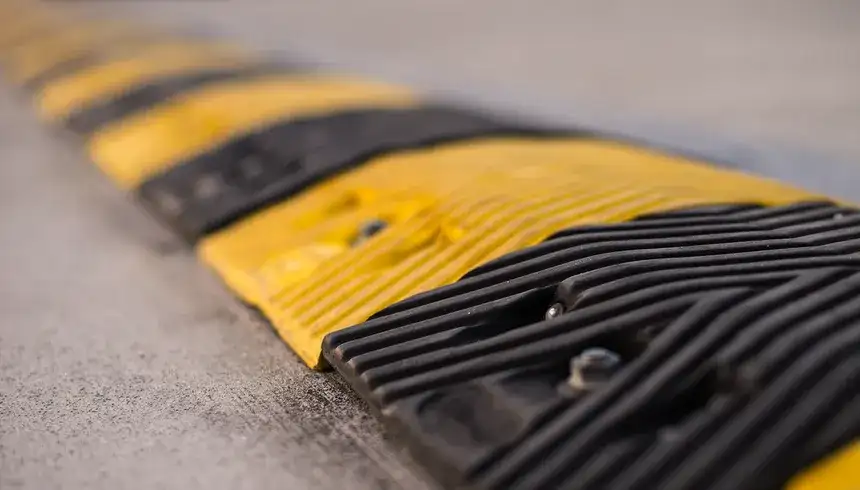
It’s easy to dismiss parking lot driving as low-risk for your vehicle. The speeds are slow, the distances are short, and nothing about a trip to The Greene Town Center feels like off-road driving. But the speed bumps on Festival Lane and the surrounding retail corridors, the sharp dips at parking garage entrances, and the repeated stop-and-go transitions that define a busy shopping trip are exactly the kind of driving that quietly wears suspension components down over time.
Kia builds solid, well-engineered suspension systems across its lineup. But the Telluride, Sportage, Sorento, and Soul were designed to handle a full range of road conditions, and the repeated low-speed impacts from speed bumps hit the suspension at an angle that highway driving simply does not. Add in the pothole-riddled roads around Beavercreek heading into and out of the area, and the picture becomes clearer.
This guide walks you through what your Kia’s suspension is absorbing on every shopping run, what the warning signs look like, and why staying ahead of the wear is always less expensive than waiting for something to fail.
Why Speed Bumps Are Harder on Suspension Than You Think
Most drivers associate suspension wear with highway driving, rough back roads, or off-road use. Speed bumps tend to fly under the radar as a wear source because nothing about them feels dramatic. The reality is more nuanced.
The Angle of Impact Matters
When your Kia hits a highway pothole, the impact is sudden but the suspension compresses and rebounds in a relatively straight vertical motion. Speed bumps are different. A speed bump forces the suspension through a longer, more deliberate compression cycle, often hitting the front axle and rear axle at different moments and loading the strut mounts, sway bar links, and control arm bushings at angles that don’t occur in normal road driving.
Hit a speed bump at even a slightly uneven angle, which happens regularly when pulling into a busy parking lot, and the suspension is absorbing an asymmetric load that puts more stress on one side than the other. Do that dozens of times per shopping trip across multiple visits per month, and the cumulative effect on bushings and end links becomes significant.
Parking Lot Surfaces Add to the Problem
The approach to The Greene and the surrounding retail parking areas along Heller Drive and North Fairfield Road include transitions, uneven patches, and painted speed control strips that vary in height and profile. The Fairfield Commons area nearby adds its own set of parking lot entrances with sharp lip transitions that send a jolt through the suspension even at low speed. None of these individually constitutes a serious impact. Together, over months of regular shopping trips, they add up to a meaningful wear load on your Kia’s undercarriage.
What Your Kia’s Suspension Is Actually Absorbing
Understanding which components take the most stress from this type of driving helps you know what to watch for and what a technician should be looking at during an inspection.
Sway Bar End Links and Bushings
The sway bar connects the left and right sides of the suspension and resists body roll during cornering. The end links connect the sway bar to the struts, and the center bushings hold the bar to the subframe. Both components are under load every time the suspension compresses unevenly, which is exactly what happens on an off-center speed bump crossing.
Sway bar end links are among the most commonly worn components we find on Kias driven regularly in Beavercreek’s retail corridor. They are also among the least expensive to address when caught before they fail completely. End link replacement typically runs $80 to $150 per side. A failed end link that allows the sway bar to contact other components can escalate to $300 or more in combined repairs.
Strut Mounts and Strut Condition
The strut mount sits at the top of the strut assembly and connects it to the vehicle’s body. It contains a bearing that allows the strut to rotate during steering and a rubber isolator that absorbs vibration before it reaches the cabin. Speed bump impacts load the strut mount directly on every crossing, and the bearing and isolator both wear faster under repeated deliberate compression cycles than they do under random road impacts.
A worn strut mount produces a clunking or grinding noise when turning or going over bumps and allows the strut to move in ways it shouldn’t, which affects both ride quality and alignment stability. Strut mount replacement on most Kia models runs $150 to $280 per side when addressed before the strut itself is damaged.
Control Arm Bushings
The control arms position the front wheels and allow them to move through their suspension travel. The rubber bushings at each end of the control arm absorb vibration and control the arm’s range of movement. Low-speed repetitive impacts, like speed bump crossings, load these bushings in a consistent pattern that causes them to compress and crack over time. Hardened or cracked bushings allow excess movement in the suspension geometry, which affects steering feel, alignment, and tire wear.
Warning Signs Your Kia’s Suspension Needs Attention
Knowing what to listen and feel for after your next trip to The Greene makes it easy to catch problems before they grow into expensive ones. Here is what to watch for:
- Clunking or knocking over speed bumps that wasn’t there before, particularly on one side of the vehicle more than the other
- A hollow thudding sound on sharp dips at parking garage entrances or lot transitions, which often points to strut mount wear
- Body roll or lean feeling excessive during turns out of parking spaces, suggesting sway bar end link wear
- Steering wheel vibration at low speeds in parking lots, particularly when turning, which can indicate a worn strut mount bearing
- Uneven tire wear on the inner or outer edge of one tire more than the others, a reliable sign that a component is allowing the wheel to sit outside its correct alignment angle
- A softer or bouncier ride than the vehicle used to have, where the Kia takes longer to settle after a bump than it did previously
Any of these symptoms showing up after regular parking lot and speed bump driving is worth a professional inspection, not a wait-and-see approach.
The Cost of Waiting vs. Acting Early
The financial case for staying on top of suspension maintenance in a driving environment like Beavercreek’s retail corridors is straightforward.
Sway bar end links caught before failure run $80 to $150 per side. End links that fail and allow the bar to contact the strut or subframe add $200 to $400 in additional damage to that bill. Strut mounts caught at the wear limit run $150 to $280 per side. Strut mounts that fail and allow the strut bearing to collapse can damage the strut itself, turning a $280 repair into a $500 to $700 strut and mount replacement. Control arm bushings replaced at the crack stage run $120 to $200 per side. Bushings that deteriorate to the point of allowing the control arm to shift out of position require alignment correction on top of the bushing replacement, adding $100 to $150 to the bill.
The pattern is consistent across every suspension component. Catching wear early costs a fraction of addressing failure and its downstream effects.
“A lot of Kia owners are surprised when we tell them the parking lot driving they do around Beavercreek is one of the bigger contributors to their suspension wear,” says Travis Hensley, Lead Service Technician at the Heller Drive location. “Speed bumps are deceptively hard on end links and strut mounts because they force the suspension through a full compression cycle every single time. We see more sway bar and mount wear on vehicles driven in retail-heavy areas than on vehicles driven primarily on the highway.”
Your 30-Day Suspension Action Plan
This week: Pay attention on your next trip to The Greene or Fairfield Commons. As you cross each speed bump, listen for any clunking, knocking, or thudding from the front or rear suspension. Notice whether the vehicle feels like it settles quickly after each bump or continues to float and bounce. These observations cost nothing and will tell you more about your suspension’s condition than a visual check from the outside.
Within two weeks: Check your tires for uneven wear patterns, particularly any edge wear that is more pronounced on one side of the tread than the other, or wear that differs noticeably between the left and right front tires. Also check whether your Kia sits level side to side when parked on flat ground. A visible height difference between the driver and passenger side can indicate a collapsed spring or severely worn strut.
By month’s end: Schedule a suspension inspection if you noticed anything in the first two steps, or if your Kia has more than 40,000 miles and has been your regular vehicle for shopping runs and daily Beavercreek driving without a suspension check in the past year. The inspection itself is included with service visits and takes less time than a tire rotation.
These three steps take less than an hour of your time and can save you several hundred dollars by catching wear at the component level before it cascades into a multi-part repair.
Schedule Your Suspension Inspection Today
The Sorento owner from the opening of this article came back six months after that repair and asked to add a suspension check to every future service appointment. On the next visit, we found a sway bar end link beginning to show play on the opposite side from the previous repair. We addressed it for $110 before it failed. The vehicle has driven smoothly through every trip to The Greene since.
Speed bumps are not going anywhere, and neither are the parking lot transitions and road surfaces around Beavercreek that your Kia navigates on every errand run. The wear from those surfaces is real, it is gradual, and it is manageable with the right inspection schedule.
At Kia of Beavercreek, our certified technicians know exactly what the Beavercreek driving environment asks of Kia suspension systems and what to look for on every model in the lineup. We use factory diagnostic standards and hands-on inspection techniques to give you an honest picture of where your suspension stands before small wear becomes an expensive repair.
Schedule your suspension inspection today by contacting our service department or booking online. We’re located at 2220 Heller Dr, Beavercreek, OH 45434.
Keeping your Kia’s suspension in proper condition means every trip to The Greene and back is smooth, safe, and exactly what driving your Kia should feel like. That is what staying ahead of the wear delivers.
0 comment(s) so far on Erasing the Speed Bump Stress: Checking Suspension After Shopping Trips at The Greene